LLM Application Development With Python
Learning Path ⋅ Skills: OpenAI, Ollama, OpenRouter, Prompt Engineering, LangChain, LlamaIndex, ChromaDB, MarkItDown, RAG, Embeddings, Pydantic AI, LangGraph, MCP
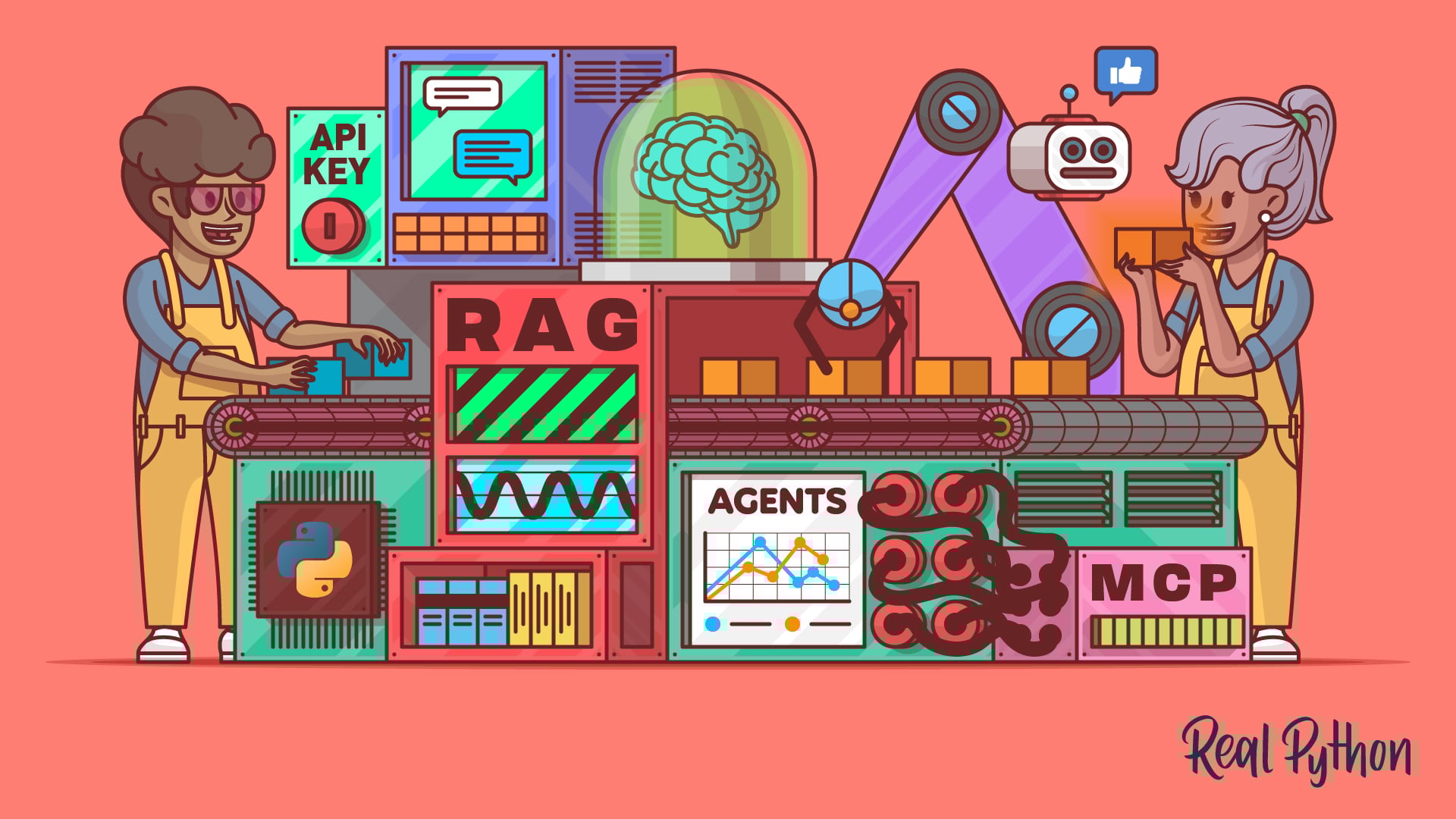
Large language models can do much more than answer questions in a chat window. This learning path teaches you to integrate LLMs into Python applications, from API calls to autonomous agents.
By completing this path, you’ll be able to:
- Call LLM APIs from OpenAI, Ollama, and OpenRouter in your Python code
- Write effective prompts that produce reliable, structured results
- Build retrieval-augmented generation (RAG) pipelines with LlamaIndex, ChromaDB, and LangChain
- Convert documents into LLM-ready formats with MarkItDown
- Create stateful AI agents using Pydantic AI and LangGraph
- Connect agents to external tools and data sources using MCP servers
This path is for Python developers who want to build applications on top of language models. You should be comfortable with Python basics and working with APIs.
You’ll start by calling model APIs directly, then move into prompt engineering, RAG pipelines, agent frameworks, and finish by connecting your agents to external tools through MCP.
LLM Application Development With Python
Learning Path ⋅ 13 Resources
Connect to LLM APIs
Start by learning how to call large language models from Python, whether through cloud APIs or local inference.
Tutorial
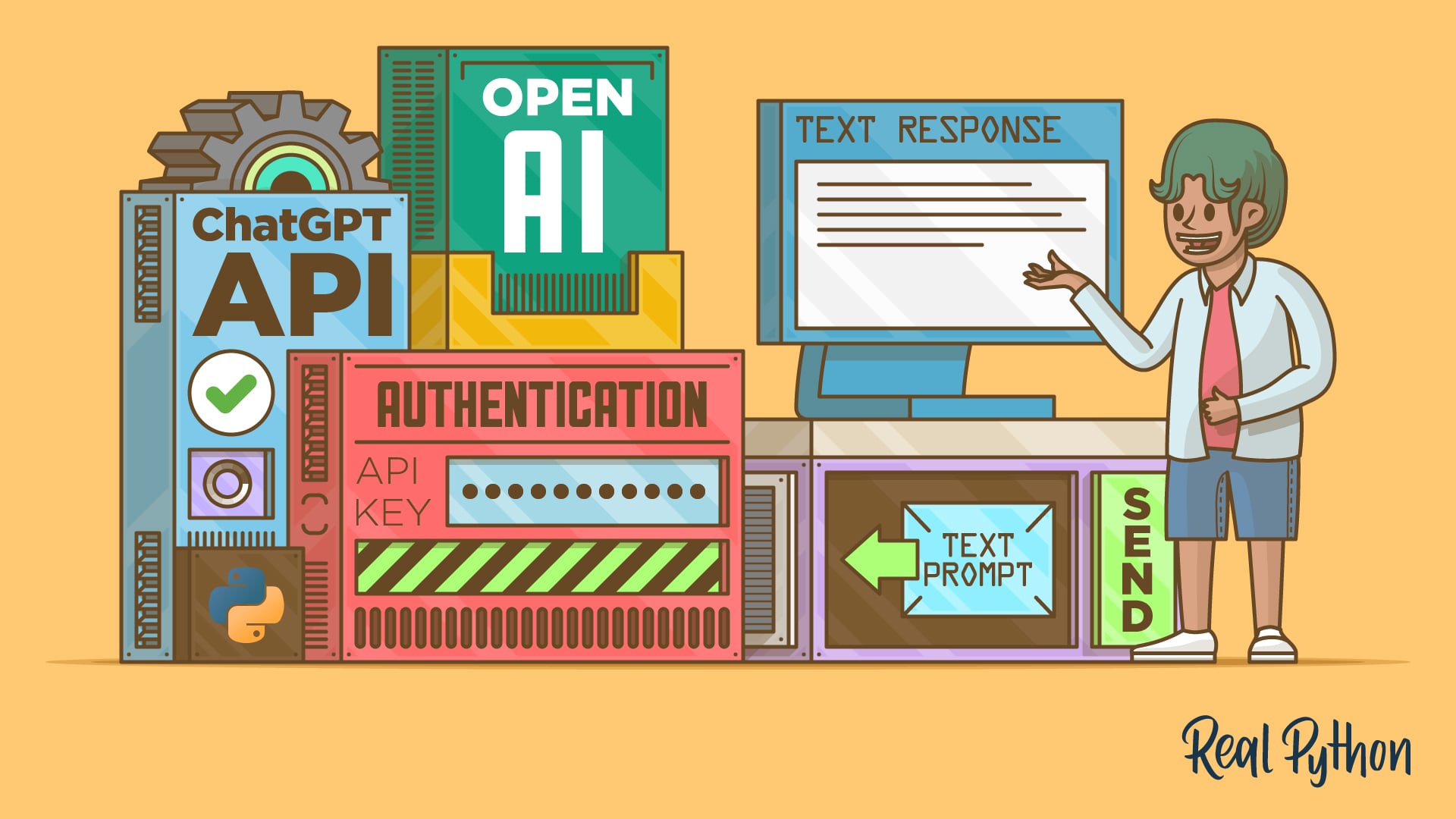
How to Integrate ChatGPT's API With Python Projects
Learn how to use the ChatGPT Python API with the openai library to build AI-powered features in your Python applications.
Interactive Quiz
How to Integrate ChatGPT's API With Python Projects
Tutorial
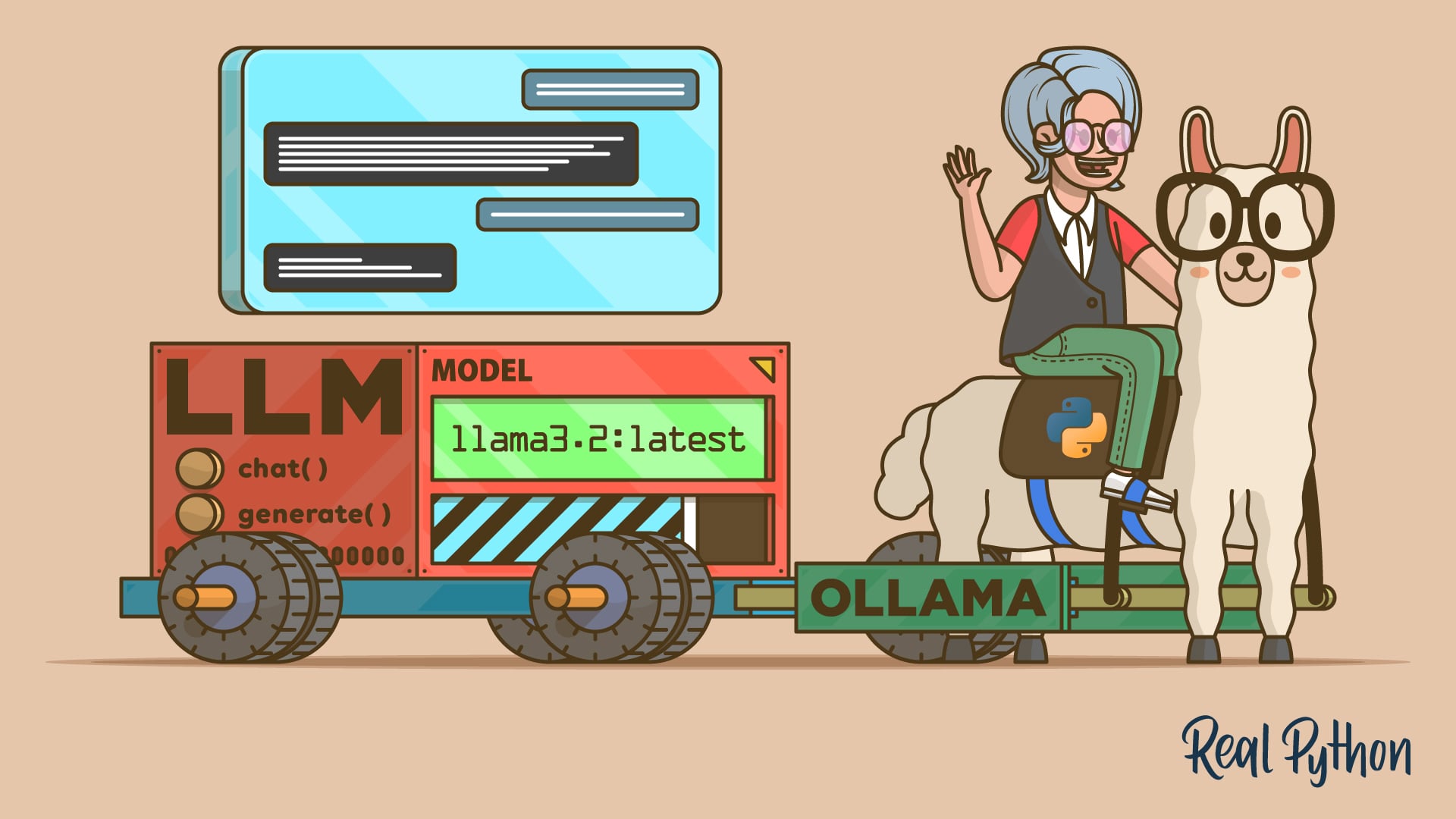
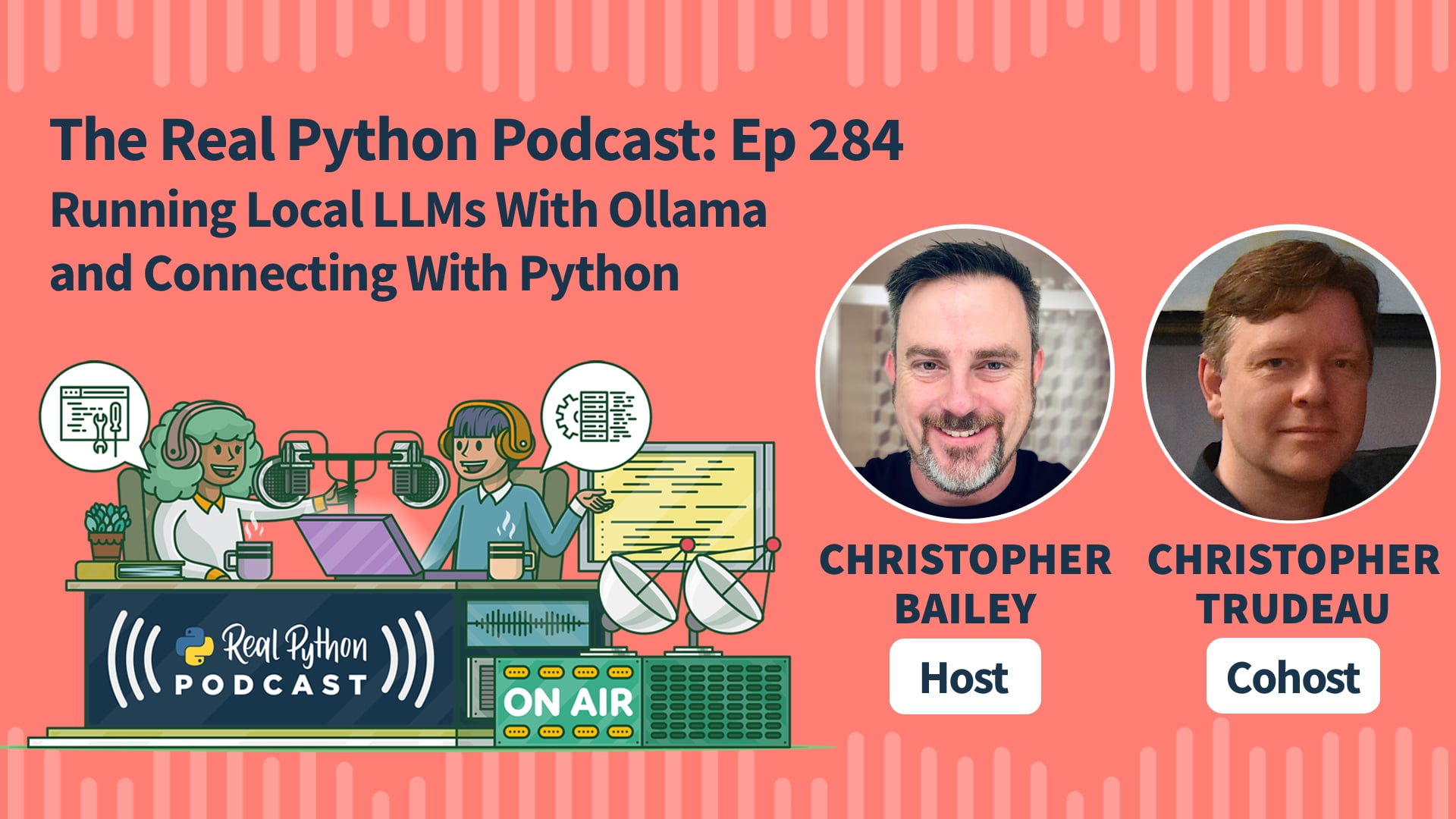
How to Integrate Local LLMs With Ollama and Python
Learn how to integrate your Python projects with local models (LLMs) using Ollama for enhanced privacy and cost efficiency.
Interactive Quiz
How to Integrate Local LLMs With Ollama and Python

Tutorial
How to Use the OpenRouter API to Access Multiple AI Models via Python
Access models from popular AI providers in Python through OpenRouter's unified API with smart routing, fallbacks, and cost controls.
Craft Effective Prompts
Learn how to write prompts that get reliable, structured results from language models.
Tutorial
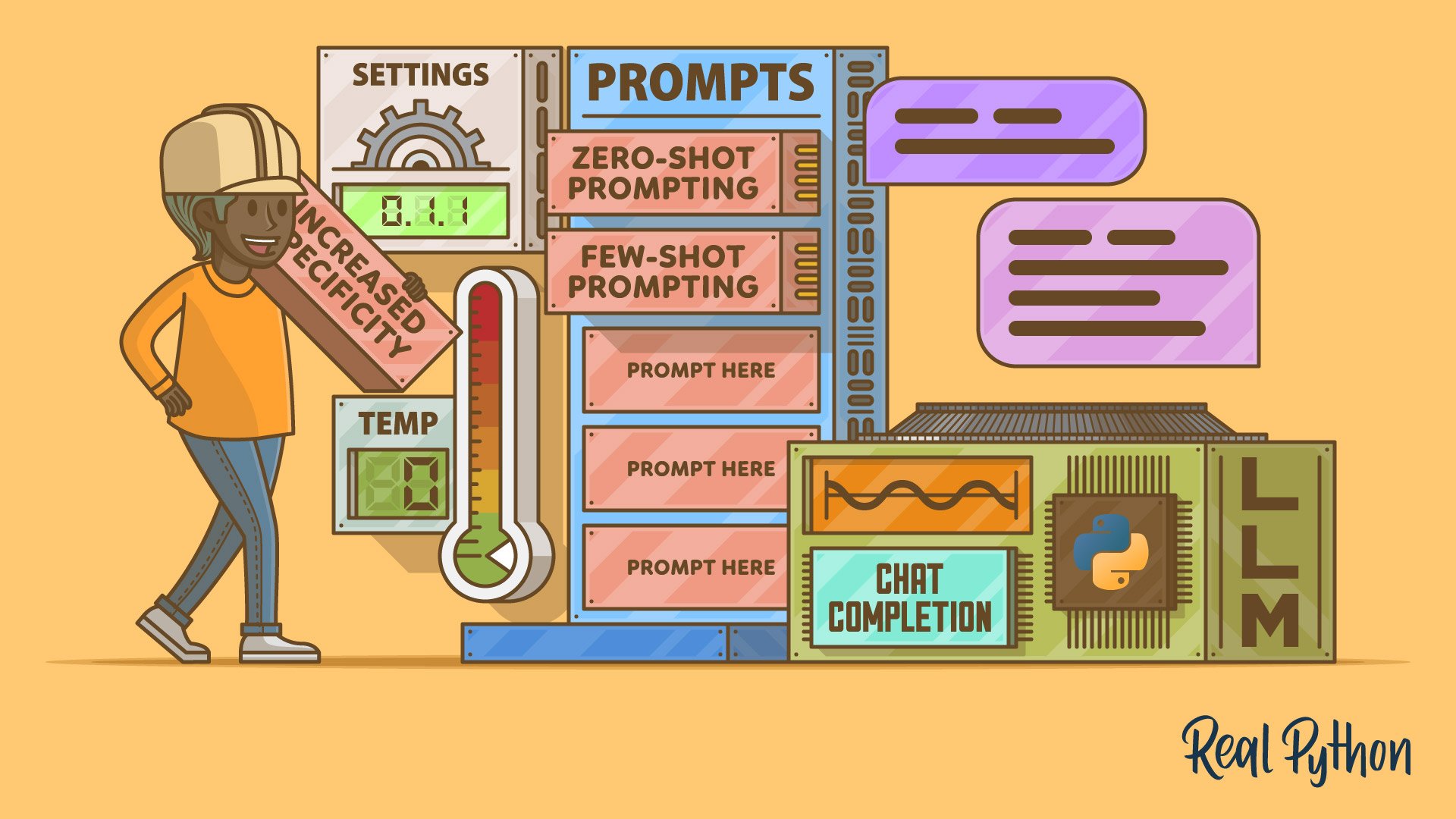
Prompt Engineering: A Practical Example
Learn prompt engineering techniques with a practical, real-world project to get better results from large language models. This tutorial covers zero-shot and few-shot prompting, delimiters, numbered steps, role prompts, chain-of-thought prompting, and more. Improve your LLM-assisted projects today.
Interactive Quiz
Practical Prompt Engineering
Work With LLM Frameworks
Use LangChain to build reusable chains and pipelines around language models.

Course
First Steps With LangChain
Large language models (LLMs) have taken the world by storm. In this step-by-step video course, you'll learn to use the LangChain library to build LLM-assisted applications.
Interactive Quiz
First Steps With LangChain
Add Retrieval‑Augmented Generation (RAG)
Ground your LLM apps in real data using embeddings, vector databases, and retrieval pipelines.
Tutorial
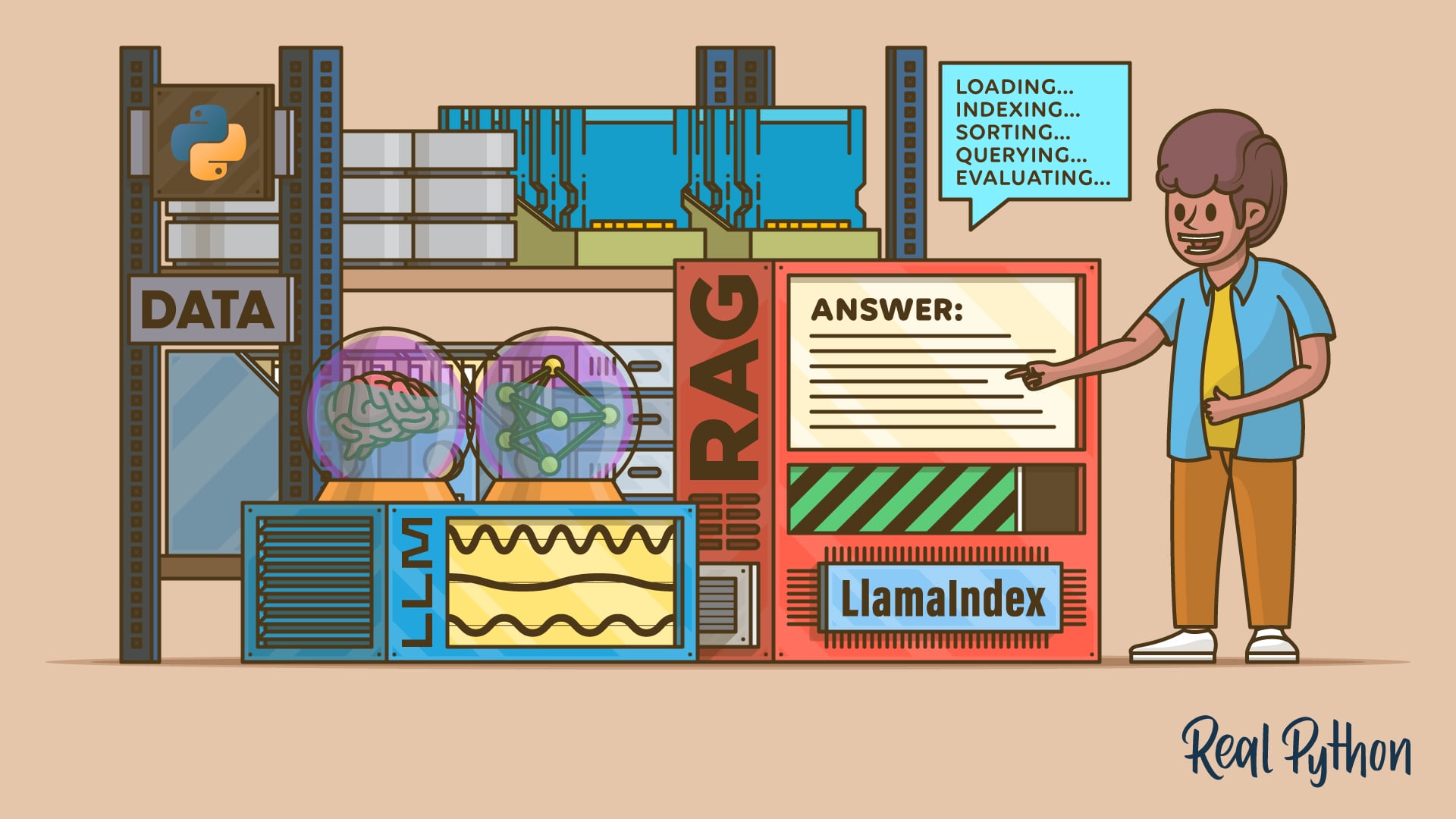
LlamaIndex in Python: A RAG Guide With Examples
Learn how to set up LlamaIndex, choose an LLM, load your data, build and persist an index, and run queries to get grounded, reliable answers with examples.
Interactive Quiz
LlamaIndex in Python: A RAG Guide With Examples
Tutorial
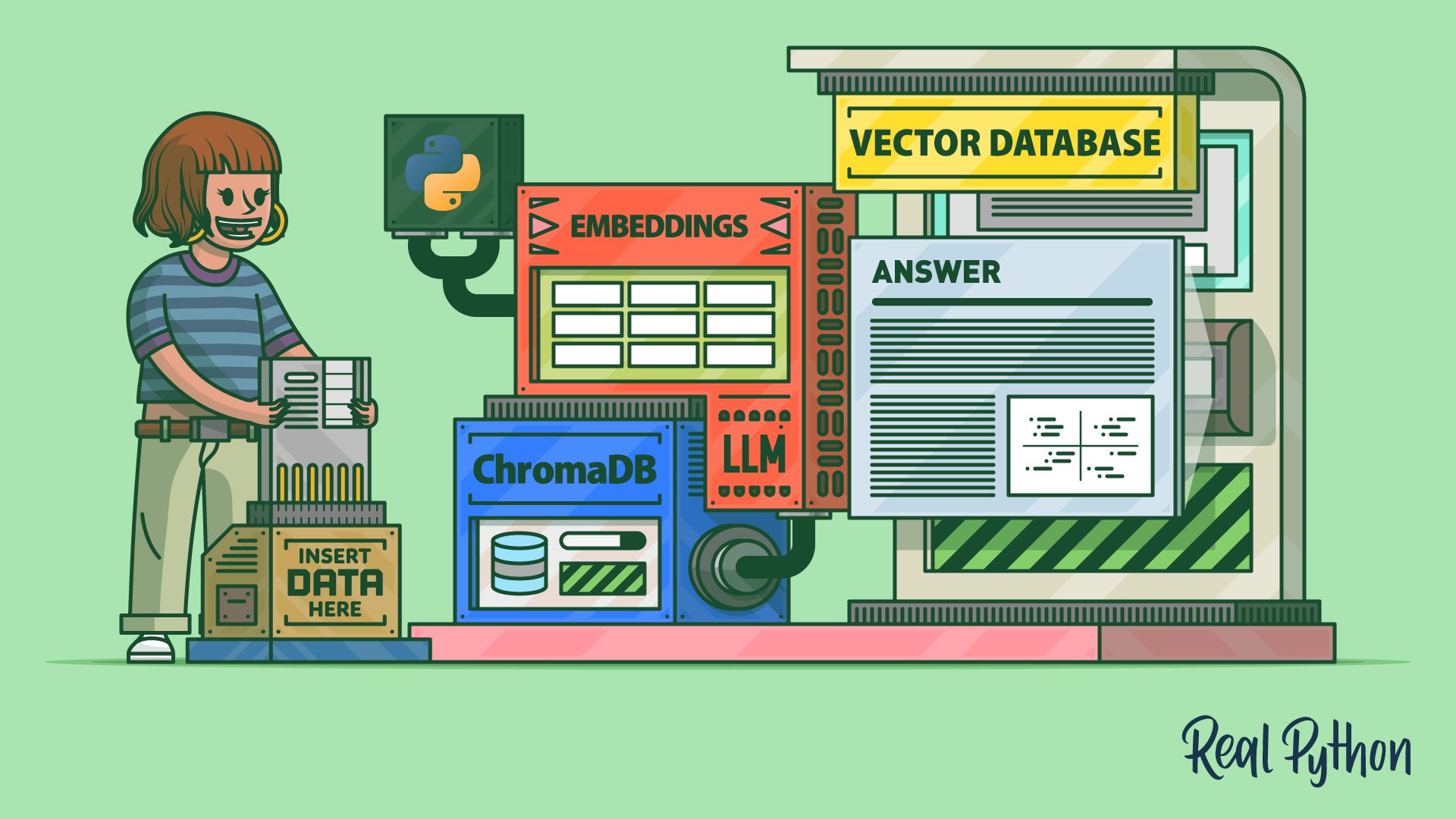
Embeddings and Vector Databases With ChromaDB
Vector databases are a crucial component of many NLP applications. This tutorial will give you hands-on experience with ChromaDB, an open-source vector database that's quickly gaining traction. Along the way, you'll learn what's needed to understand vector databases with practical examples.
Tutorial
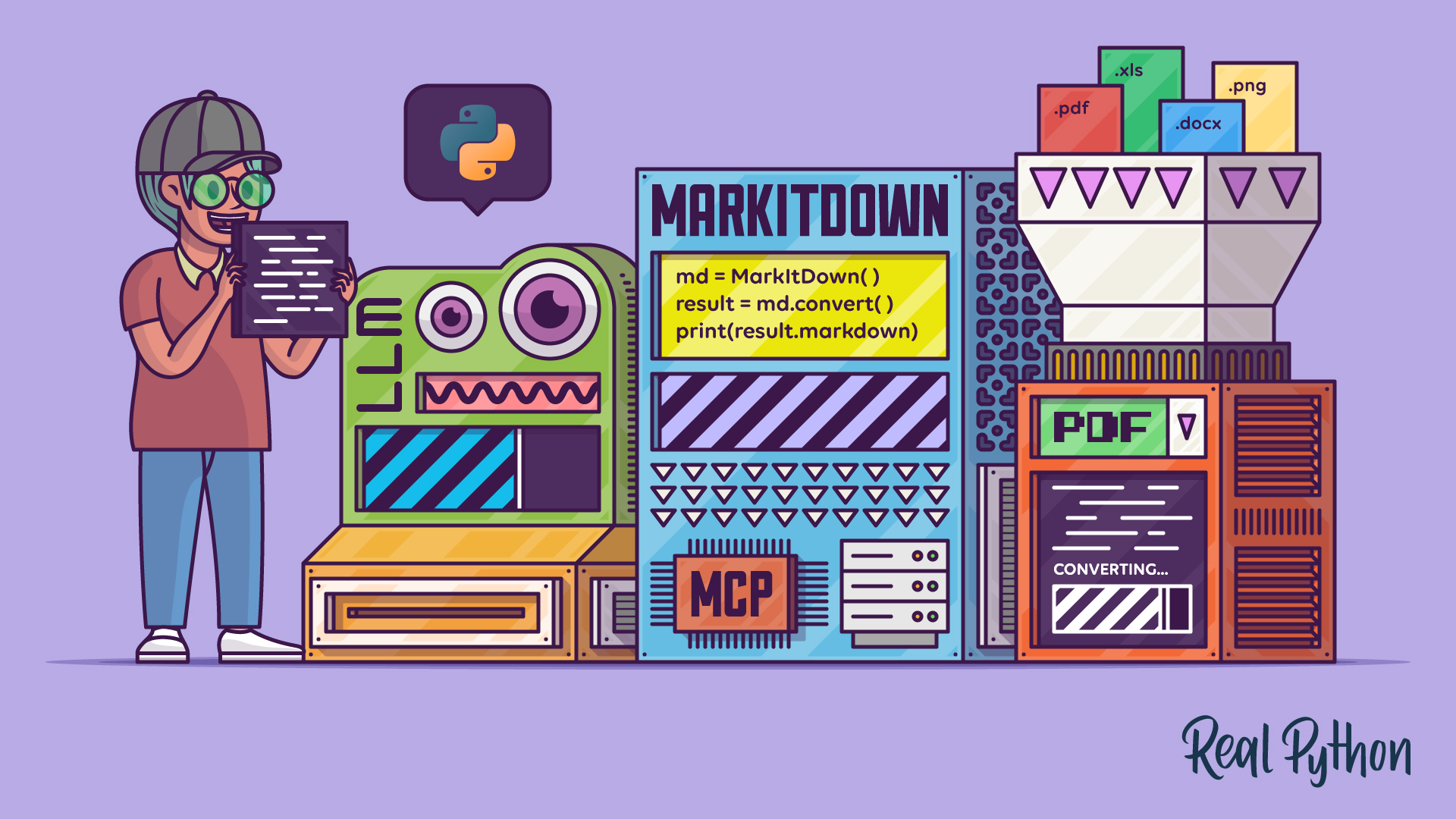
Python MarkItDown: Convert Documents Into LLM-Ready Markdown
Get started with Python MarkItDown to turn PDFs, Office files, images, and URLs into clean, LLM-ready Markdown in seconds.
Interactive Quiz
Python MarkItDown: Convert Documents Into LLM-Ready Markdown
Tutorial
Build an LLM RAG Chatbot With LangChain
Large language models (LLMs) have taken the world by storm, demonstrating unprecedented capabilities in natural language tasks. In this step-by-step tutorial, you'll leverage LLMs to build your own retrieval-augmented generation (RAG) chatbot using synthetic data with LangChain and Neo4j.
Interactive Quiz
Build an LLM RAG Chatbot With LangChain

Build AI Agents
Go beyond single prompts and build agents that reason, maintain state, and use tools.
Tutorial
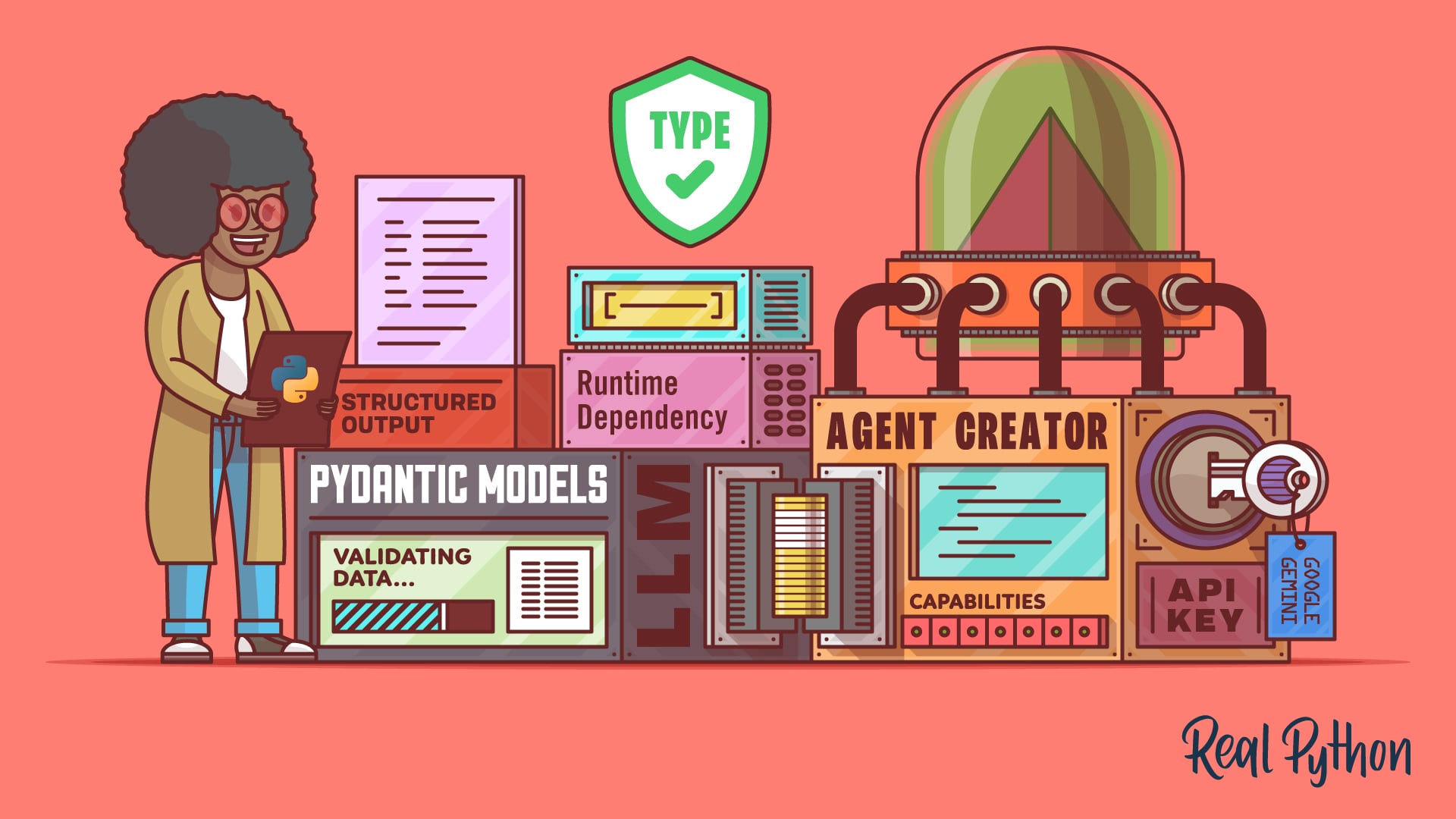
Pydantic AI: Build Type-Safe LLM Agents in Python
Learn how to use Pydantic AI to build type-safe LLM agents in Python with structured outputs, function calling, and dependency injection patterns.
Interactive Quiz
Pydantic AI: Build Type-Safe LLM Agents in Python

Tutorial
LangGraph: Build Stateful AI Agents in Python
LangGraph is a versatile Python library designed for stateful, cyclic, and multi-actor Large Language Model (LLM) applications. This tutorial will give you an overview of LangGraph fundamentals through hands-on examples, and the tools needed to build your own LLM workflows and agents in LangGraph.
Interactive Quiz
LangGraph: Build Stateful AI Agents in Python
Connect Agents to External Tools With MCP
Use the Model Context Protocol to give your agents access to databases, APIs, and files.
Tutorial
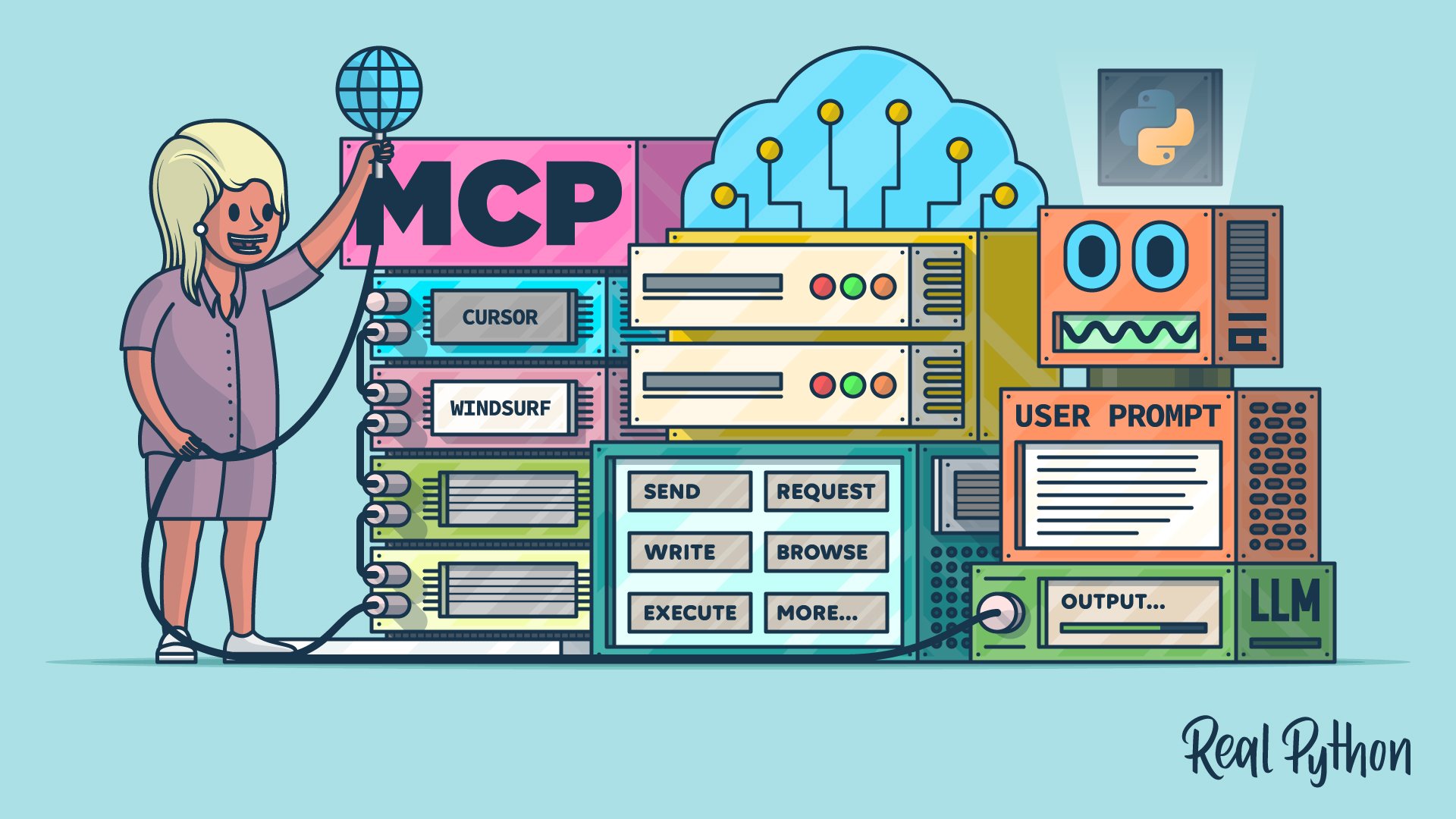
Python MCP Server: Connect LLMs to Your Data
Learn how to build a Model Context Protocol (MCP) server in Python. Connect tools, prompts, and data to AI agents like Cursor for smarter assistants.
Interactive Quiz
Python MCP Server: Connect LLMs to Your Data
Tutorial
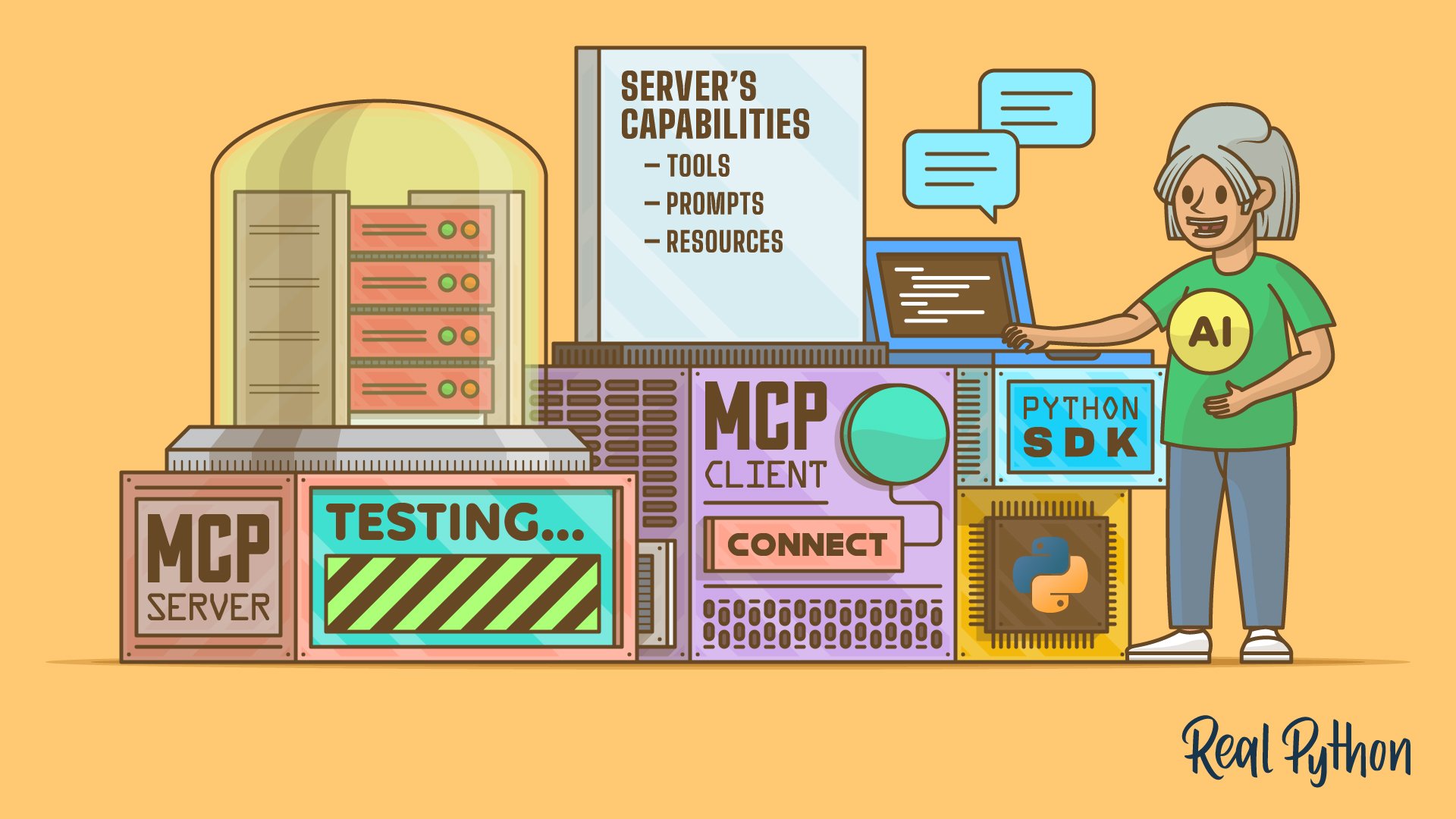
Build a Python MCP Client to Test Servers From Your Terminal
Follow this Python project to build an MCP client that discovers MCP server capabilities and feeds an AI-powered chat with tool calls.
Interactive Quiz
Build a Python MCP Client to Test Servers From Your Terminal
Congratulations on completing this learning path! You can now call LLM APIs, build RAG pipelines, create AI agents, and connect them to external tools using MCP.
You might also be interested in these related learning paths:
Got feedback on this learning path?
Looking for real-time conversation? Visit the Real Python Community Chat or join the next “Office Hours” Live Q&A Session. Happy Pythoning!