Welcome to the course! I’m looking forward to meeting you all in our live sessions and on the forum. This page is the hub for the course.
How This Course Works
- We’ll meet for a 2-hour live coding session on Monday, Tuesday, Wednesday, and Thursday to learn the core concepts of object-oriented Python by coding live together.
- Friday is a 2-hour open Q&A and recap — bring your code and your questions.
- We’ll work on a single running project that grows across all four days, so the concepts land in a real codebase rather than in toy snippets.
Join the Session
Click the link below to join the live course on each day. The same link works for all five sessions:
https://us02web.zoom.us/j/82697094324?pwd=yu7EFm2KjyLxb7mMAnxQfhEu00H3vr.1
Here is the Zoom link for all five sessions. If you want to copy the link, then hover over the text field and click the copy icon:
OOP Live Course - Zoom Link
https://us02web.zoom.us/j/82697094324?pwd=yu7EFm2KjyLxb7mMAnxQfhEu00H3vr.1
You can use the same link on every day of the course.
Please check the starting times of the live sessions for your timezone below:
Day 1: Classes & Instances
Mon, Aug 24 @ 19:30 UTC (2 hours)
Day 2: Methods & Data Model
Tue, Aug 25 @ 19:30 UTC (2 hours)
Day 3: Object Creation, Inheritance & Composition
Wed, Aug 26 @ 19:30 UTC (2 hours)
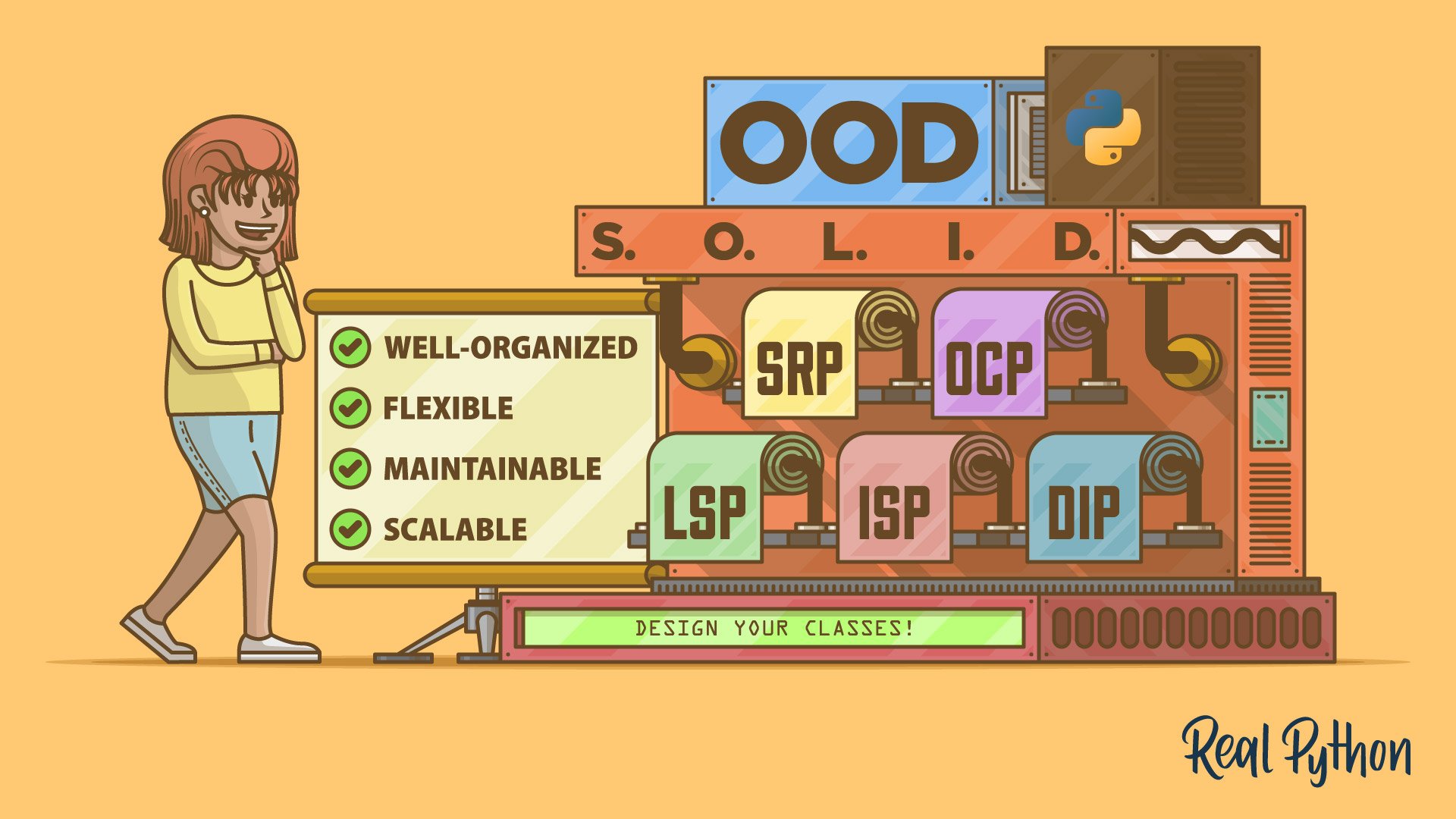
Day 4: Properties, Dataclasses & SOLID
Thu, Aug 27 @ 19:30 UTC (2 hours)
Friday: Q&A and Recap
Fri, Aug 28 @ 19:30 UTC (2 hours)
What You’ll Take Home
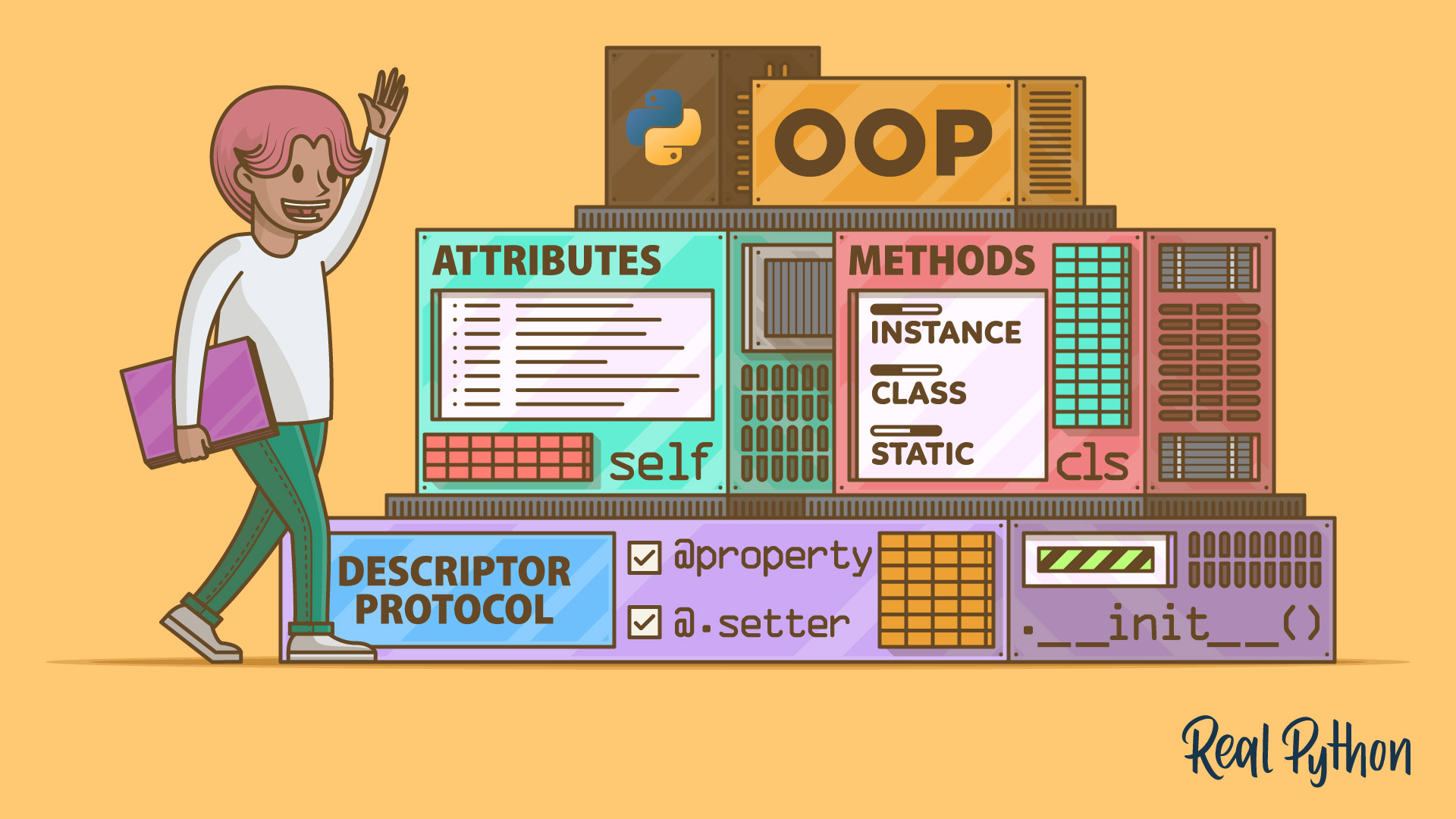
- Working knowledge of Python OOP — classes and instances, methods and Python’s data model, multiple constructors, inheritance vs composition, properties, dataclasses, and selected SOLID principles — applied to a real growing codebase, not toy snippets
- The complete project codebase from all four days, yours to keep, fork, and extend
- A
python-oopSKILL.md file we’ll build collaboratively across the four days — drop it into your Claude Project or Claude Code to keep your AI-assisted OOP code consistent with what you’ve learned - A copy of Object-Oriented Programming in Python as a supplementary reference (the book is not a prereq or a post-read — the live sessions stand alone)
What’s Included:
- 9 Lessons
- 2 Downloadable Resources
- Q&A With Python Experts: Ask a Question
- Certificate of Completion

Downloadable Resources: