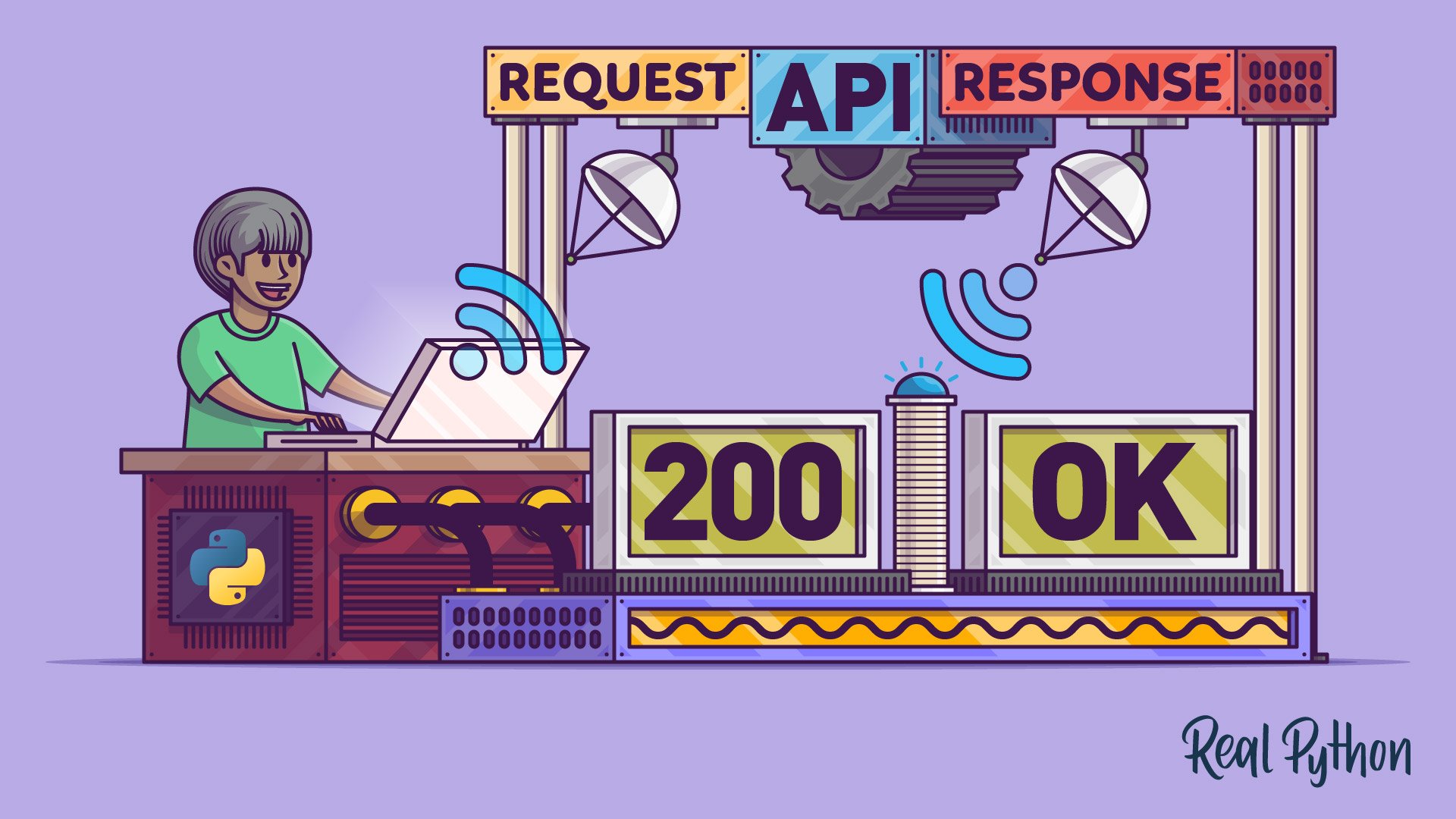

Python is an excellent choice for working with Application Programming Interfaces (APIs), allowing you to efficiently consume and interact with them. By using the Requests library, you can easily fetch data from APIs that communicate using HTTP, such as REST, SOAP, or GraphQL APIs. This video course covers the essentials of consuming REST APIs with Python, including authentication and handling responses.
By the end of this video course, you’ll understand that:
- An API is an interface that allows different systems to communicate, typically through requests and responses.
- Python is a versatile language for consuming APIs, offering libraries like Requests to simplify the process.
- REST and GraphQL are two common types of APIs, with REST being more widely used for public APIs.
- To handle API authentication in Python, you can use API keys or more complex methods like OAuth to access protected resources.
Knowing how to consume an API is one of those magical skills that, once mastered, will crack open a whole new world of possibilities, and consuming APIs using Python is a great way to learn such a skill.
By the end of this video course, you’ll be able to use Python to consume most of the APIs that you come across. If you’re a developer, then knowing how to consume APIs with Python will empower you to integrate data from various online sources into your applications.
What’s Included:
- 12 Lessons
- Video Subtitles and Full Transcripts
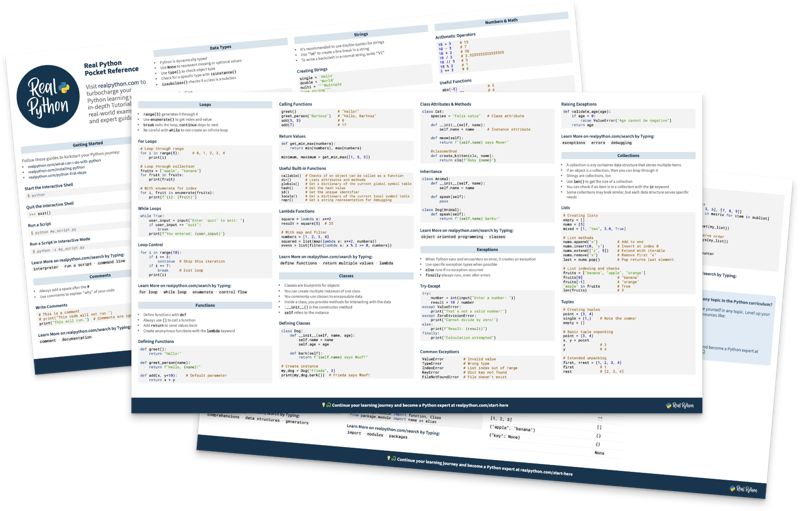
- 2 Downloadable Resources
- Accompanying Text-Based Tutorial
- 4 Hands-On Coding Exercises
- Q&A With Python Experts: Ask a Question
- Certificate of Completion
Downloadable Resources: