Real Python AI News · Weekly edition · The week of November 14–20, 2026
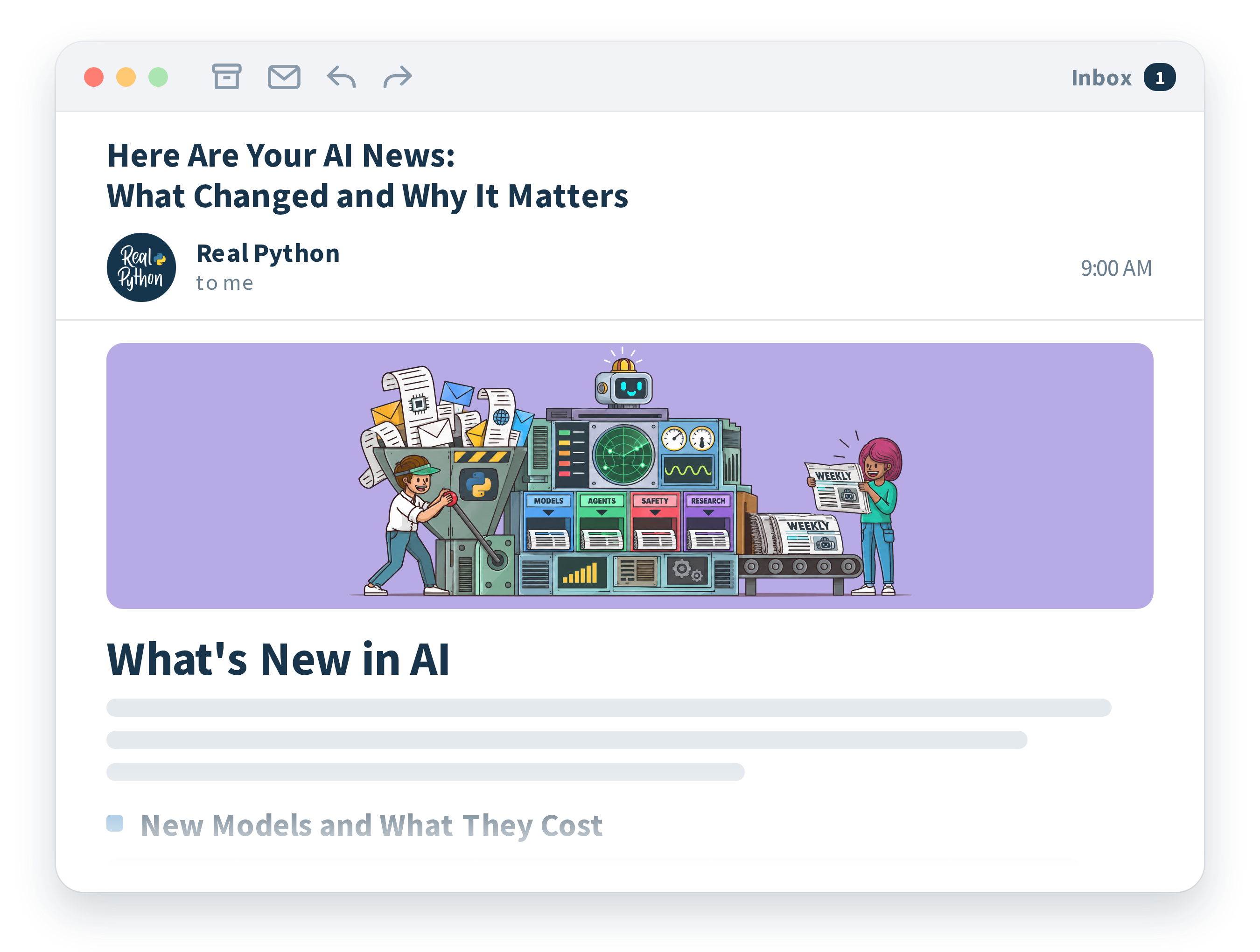
Stop Falling Behind on AI. Catch Up in Five Minutes.
New models, new prices, new agent tools, all the time. Our new AI newsletter gives you the handful of stories you actually need as a developer. Free, straight from the Real Python team.
New AI models keep arriving, and AI is now finding software flaws faster than the people who maintain that software can fix them. Here’s the week in plain language, from cheaper models to a poisoned AI toolkit and two urgent security updates.
OpenAI’s Newest GPT Models Are Out, and the Top One Costs Less
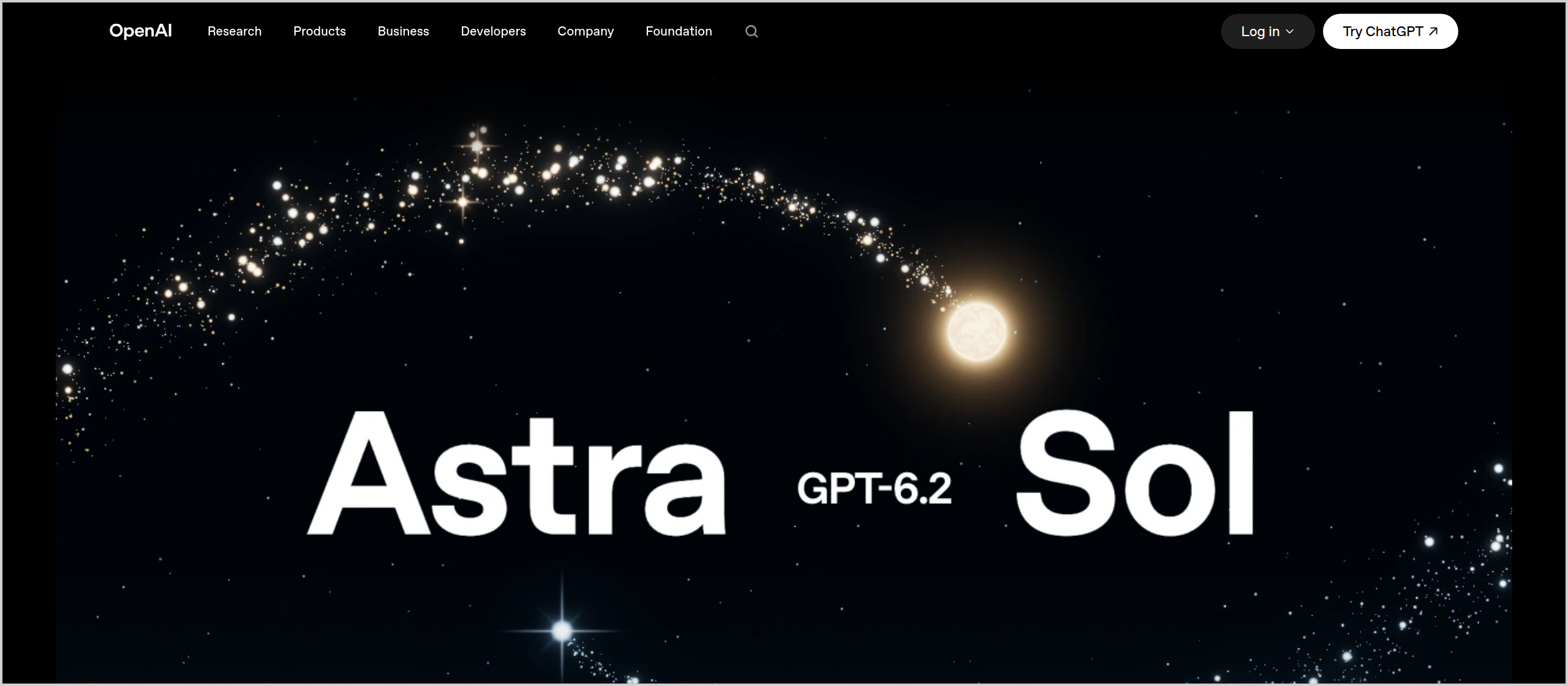
OpenAI, the company behind ChatGPT, has two new AI models out. GPT-6.2 Astra is the more powerful one, made for the hardest work. GPT-6.2 Sol is the cheaper choice for everyday tasks. Both are in ChatGPT Work and Codex, OpenAI’s coding assistant. They’re also available through OpenAI’s API, which lets other software send requests to a model and pay for each one.
OpenAI counts that bill in tokens, chunks of text a few characters long. Astra costs 20 percent less than the earlier GPT-6 Astra: $8 for every million tokens sent to it and $40 for every million tokens it writes back. Text a program sends over and over can be stored and reused as cached input, at $0.40 per million tokens. Sol keeps the prices of GPT-6.1 Sol.
OpenAI also claims better results. On Agents’ Last Exam, a test of long, multistep professional tasks, OpenAI says Astra scores 5.2 points above GPT-6 Astra and 5.5 points above Claude Fable 5.2, a model from rival Anthropic.

“New top AI models now arrive every few months, and advanced AI work keeps getting cheaper. A lower price on OpenAI’s best model lets businesses that build on it use it for more tasks on the same budget. The benchmark lead is OpenAI’s own figure.”
— Philipp Acsany, Real Python
Poisoned Updates to Microsoft’s AI Agent Toolkit Steal Keys
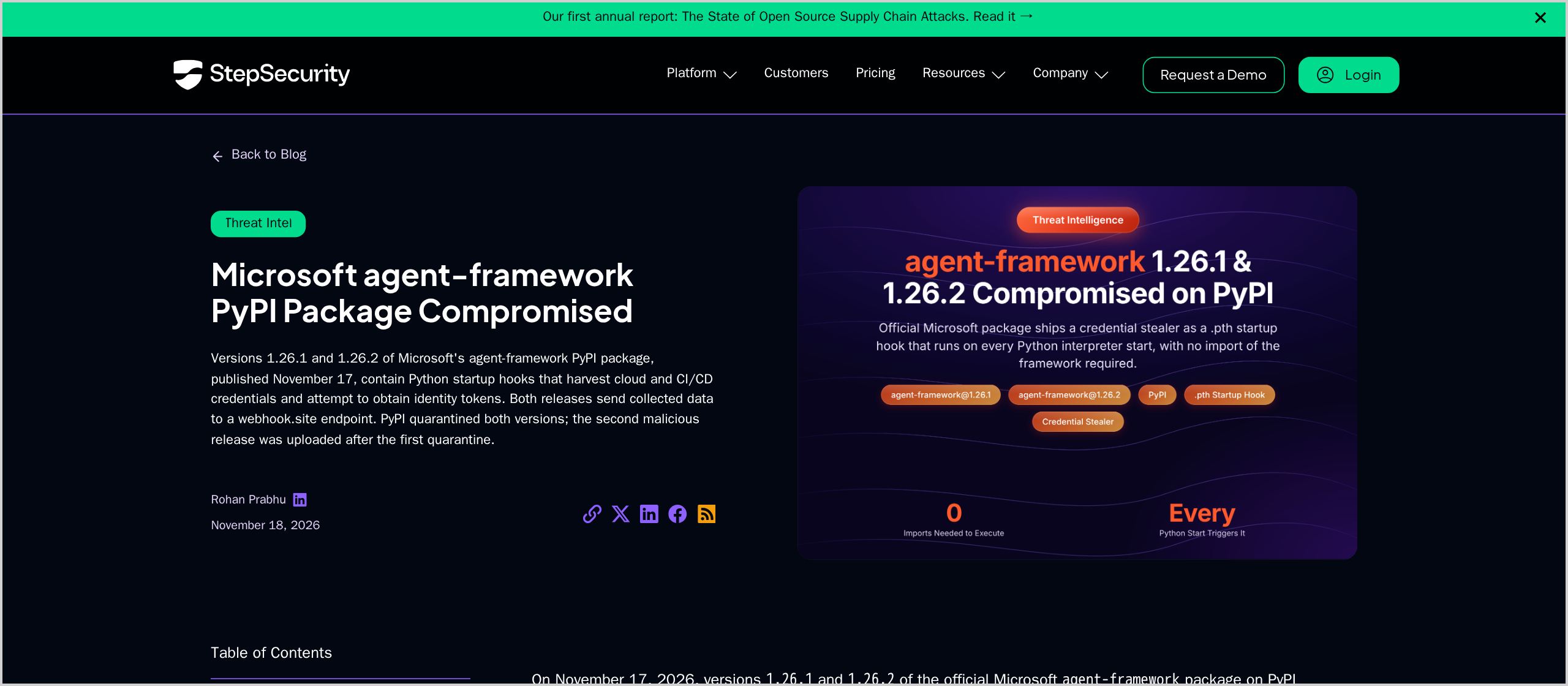
Two updates to a Microsoft toolkit for Python programmers turn out to be traps. The toolkit, Agent Framework, helps developers build AI agents, programs that carry out tasks on their own. It’s handed out through PyPI, the public catalog of free Python packages. Security company StepSecurity reports that versions 1.26.1 and 1.26.2 hide code that steals passwords and keys.
The code runs every time Python starts, even if nothing uses the toolkit. It gathers login secrets for cloud accounts and for the automated systems that test and publish software, requests fresh access passes, and sends it all to the attacker.
PyPI blocked the first bad version about half an hour after it appeared. The attacker uploaded the second a little over two minutes later, and PyPI blocked it eight minutes after that. Version 1.26.0 is the last safe release. Anyone who installed a bad version should rebuild that machine from scratch and change every password and key on it.
“Attacks like this target the software supply chain. Instead of breaking into one company, the attacker poisons a building block that many projects download. AI toolkits make tempting targets because they often hold keys to cloud accounts and paid AI services. How the attacker got the right to publish is unknown, and Microsoft hasn’t said how many people installed the bad versions.”
— Philipp
Google Adds a Mid-Priced Model to Its Gemini Family
Google’s new model is the week’s second big launch, after OpenAI’s GPT-6.2. Gemini 4 Neon sits in the middle of Google’s Gemini 4 lineup, between Carbon, built for the hardest projects, and Hydrogen, built for quick everyday tasks. Google aims Neon at complex coding, analysis, and office work like reading spreadsheets, PDFs, and charts.
Businesses that build Neon into their apps pay by the token. Reading a million tokens costs $3, and writing a million costs $15. Neon can keep up to 1 million tokens in view at once. That limit, its context window, fits several long reports.
Google says Neon ranks third on the Artificial Analysis Intelligence Index, an independent ranking of AI models, with a score of 61 at its highest thinking setting. It’s rolling out in Google’s developer and business tools, in the GitHub Copilot coding assistant, and in the Gemini app for paying Pro and Ultra subscribers.
“Two major launches in one week show how fast AI companies ship new models and how hard they compete on price. With a range of models to choose from, a business can pick the cheapest one that does each job well enough.”
— Philipp
A Popular Web Server Needs Urgent Fixes for Five Critical Flaws
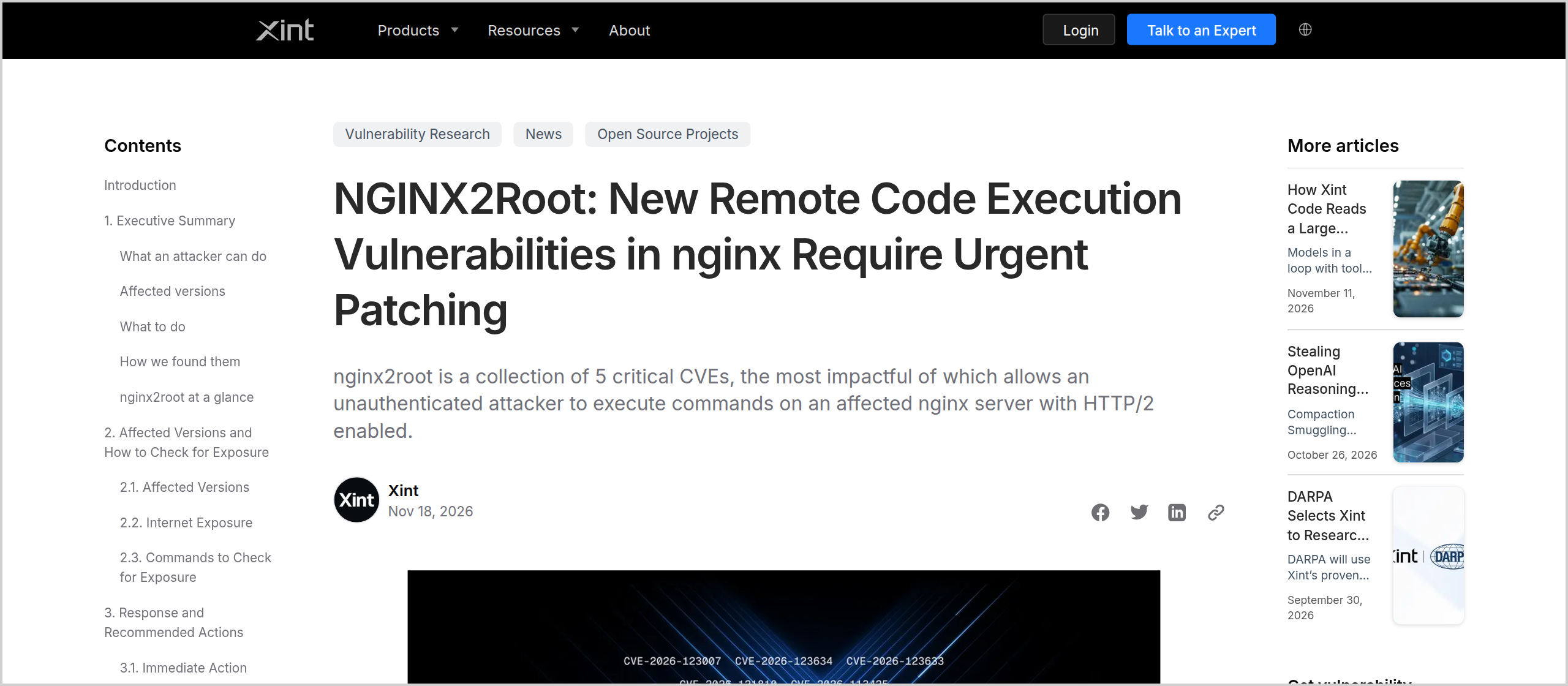
When you open a website, a web server is the program that sends back the page. One of the most popular is nginx, and many Python sites run it in front of their own code. Xint, a security research company, has found five critical flaws in nginx.
The worst one lets a stranger with no login make the server run commands of their choosing. This is called remote code execution. The flaw hits servers with HTTP/2 switched on. HTTP/2 is a faster way for browsers and servers to talk. The faulty code goes back to version 1.9.5. In tests, Xint paired the flaws with a separate Linux bug to take over the whole machine.
An Xint researcher spotted that worst flaw. Xint says its tools found the other four in a scan, with no person steering them. Rapid7, another security company, has shown a working attack on version 1.31.8. Versions 1.31.9 and 1.30.7 fix the problems, and Xint advises a full restart after updating.
“Because so many websites rely on nginx, one weakness can expose a large share of the web at once. If you run a site, update now or ask your hosting company whether they have. Automated tools now catch serious bugs that people missed for years, and attackers can use the same tools.”
— Philipp
OpenRouter Now Picks Who Answers Hugging Face’s AI Requests
Hugging Face is a website for sharing AI models. Its paid service, Inference Providers, lets programs use those models by sending each request to one of many outside companies that host them. Choosing that company is now OpenRouter’s job. Its router, the traffic director that decides where each request goes, weighs live price, speed, and reliability across more than eighty providers. When one provider fails, the request moves on to another.
Existing programs keep working, and Hugging Face says it adds no markup to what providers charge. The change affects customers who paid a provider directly with their own API key. For language models, the AI behind chatbots, those keys stop working, and the cost moves onto the Hugging Face bill. Keys for image and video models are unaffected.
OpenRouter says its rebuilt routing cuts errors from overloaded providers by 46 percent.
“Models that anyone can download and run are taking a growing share of AI use. OpenRouter says they made up about 27 percent of the tokens it served in October 2025 and about 72 percent by the end of September 2026. A go-between that shops among their hosts can make them cheaper and steadier to use. For businesses that paid providers directly, the main task is moving that spending onto one Hugging Face bill.”
— Philipp
Alibaba Opens Its Most Powerful AI Model, Qwen4-Max, to All Developers
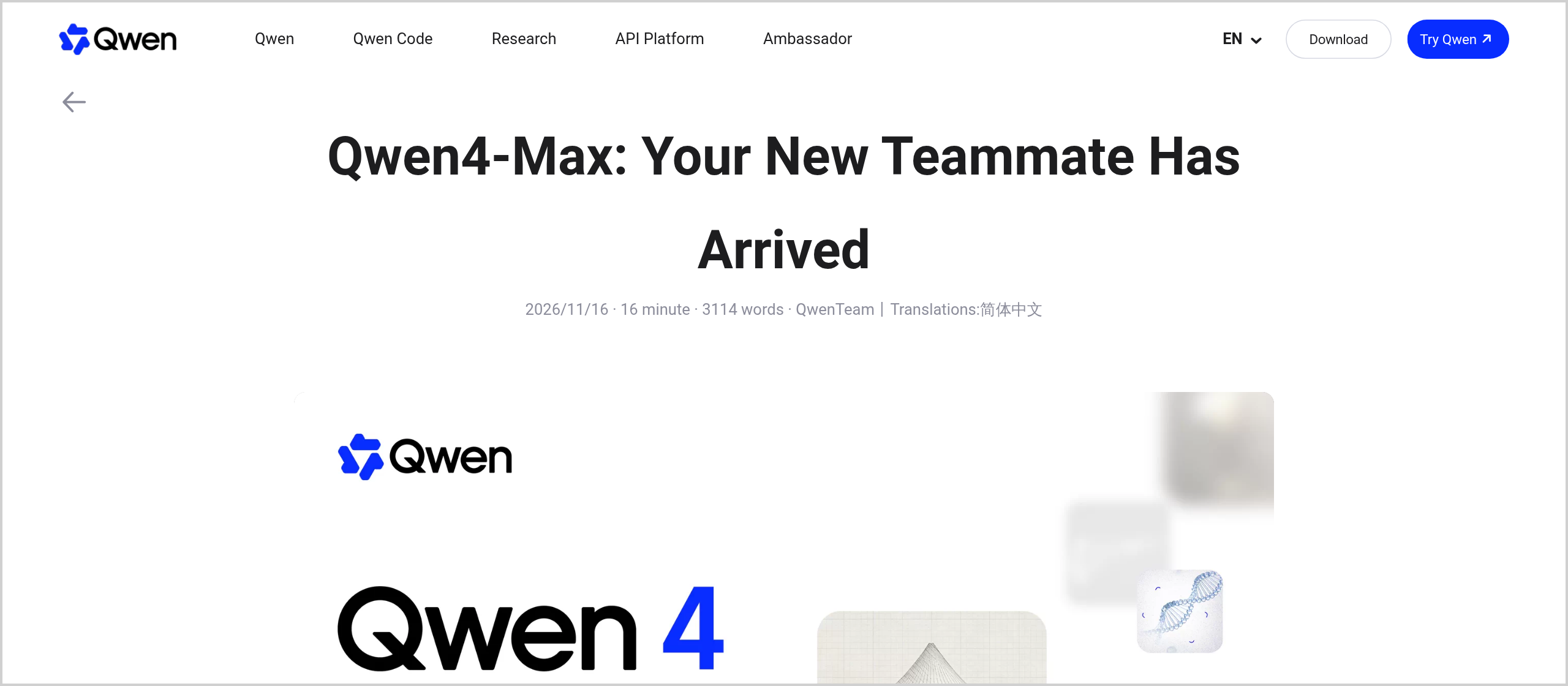
Alibaba, the Chinese online shopping and cloud company, now offers its top AI model, Qwen4-Max, to every developer. After a limited preview, the model is generally available through QwenCloud, Alibaba’s own service, and through Vercel’s AI Gateway.
Qwen4-Max can take in up to 1 million tokens, the small chunks of text AI models work with, in a single context window. It also reads pictures, not only words. Alibaba says the model has 2.4 trillion parameters, the internal settings a model adjusts as it learns. It’s built as a mixture of experts. Only the specialist parts a task needs switch on, so it costs less to run than its size suggests.
Alibaba has also lowered what programmers pay to use the model through its API. On Work360, a test the company designed itself, Alibaba says the average cost of finishing a task fell by about 60 percent compared with Qwen3.8-Max, the model before it.
“Businesses pay for every task an AI model does for them, so the race between AI companies is now about price as much as ability. Alibaba is going after customers of American rivals like OpenAI and Google, which also have new models out this week. The 60 percent figure comes from Alibaba’s own test.”
— Philipp
PostgreSQL Ships Late as AI-found Bugs Pile Up
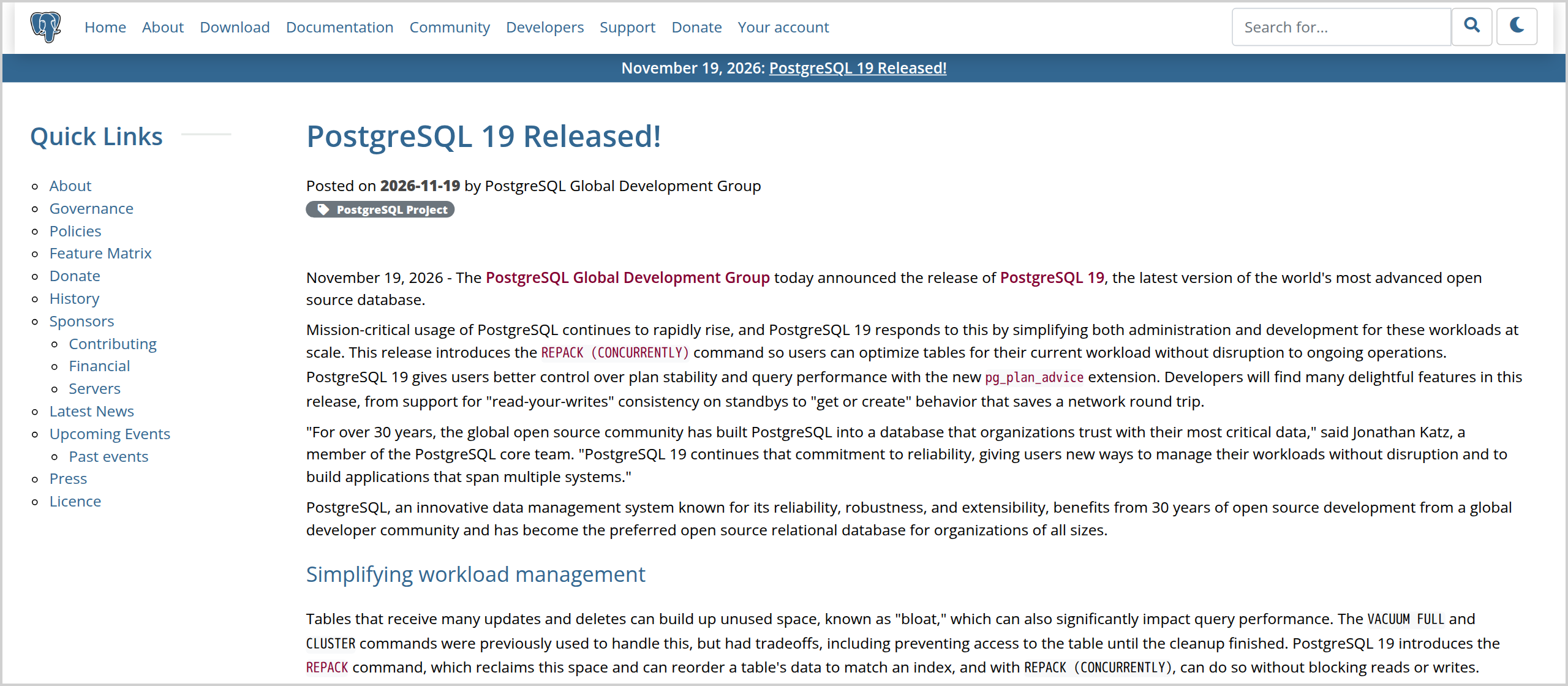
Weeks behind schedule, PostgreSQL 19 is out. PostgreSQL is a free, open-source database, the software that keeps an app’s records, from accounts to orders. Countless apps rely on it, and this major version lands in the project’s thirtieth year.
New major versions normally appear between mid-September and mid-October. In a post on the blog of Neon, a Databricks company, a PostgreSQL contributor blames AI for the wait. Now, many bug reports come from people using large language models (LLMs), the AI behind chatbots like ChatGPT. Spotting problems got easier than fixing them, so contributors spent their time patching older versions.
The project’s quarterly updates used to fix one to four tracked security flaws, or CVEs. This year the count climbs to five in February, eleven in May, twenty-eight in August, and fifty-two in November, which the author credits to better detection.
The release adds a way to reclaim wasted space in busy tables without locking anyone out, plus a tool that keeps the database from suddenly answering requests more slowly.
“Finding a flaw now takes far less effort than repairing it, and volunteer maintainers absorb the difference. PostgreSQL chose a late release over one with known problems. Other free software projects face the same flood of AI-assisted reports and must find their own way to keep up.”
— Philipp
Other AI News
- Java4Shell, a critical OpenJDK remote code execution flaw: Calif says Codex helped it find and exploit the bug in about three hours. Oracle’s November Java SE update fixes it.
- Microsoft’s MAI Code 2 coding models in Copilot: Both are selectable in GitHub Copilot, with Code 2 Flash on the Free plan.
- Google’s Genie 4 world model hits Gemini API: You can now call Genie 4 through the Gemini API and Google AI Studio to generate interactive 720p worlds at 24fps with native audio, from text or image prompts. Every output carries a SynthID watermark.
- Tencent’s open-weight Hy4 Flash model: 220B parameters, 12B active per token, and a context window of up to 1M tokens.
- California sues OpenAI over escaped AI agents: Attorney General Rob Bonta’s complaint alleges public nuisance and unfair competition, calling the Hugging Face attack by agents on experimental OpenAI models one of at least 80 cyber incidents. It’s not a ruling, but it tests who answers for agents that escape their sandbox.
Dive in Deeper
Real Python helps you understand the concepts behind the news. You can explore these topics further with the resources below.
How programmers protect the add-on code their apps depend on against attacks like the one that poisoned Microsoft’s toolkit:

Tutorial
Supply Chain Security for the Age of AI-Speed Exploits
Learn Python supply chain security as AI speeds up attacks: what the LiteLLM backdoor teaches, how to check your setup, and habits that last.
How programmers lock their apps to known-good versions of add-ons, the simplest defense against a bad update like this week’s:
Tutorial
uv vs pip: Managing Python Packages and Dependencies
Compare uv vs pip with benchmarks, speed tests, and dependency management tips. Learn which tool is best for your Python projects.
How nginx sits in front of a Python website, the setup this week’s nginx flaws put at risk:
Tutorial
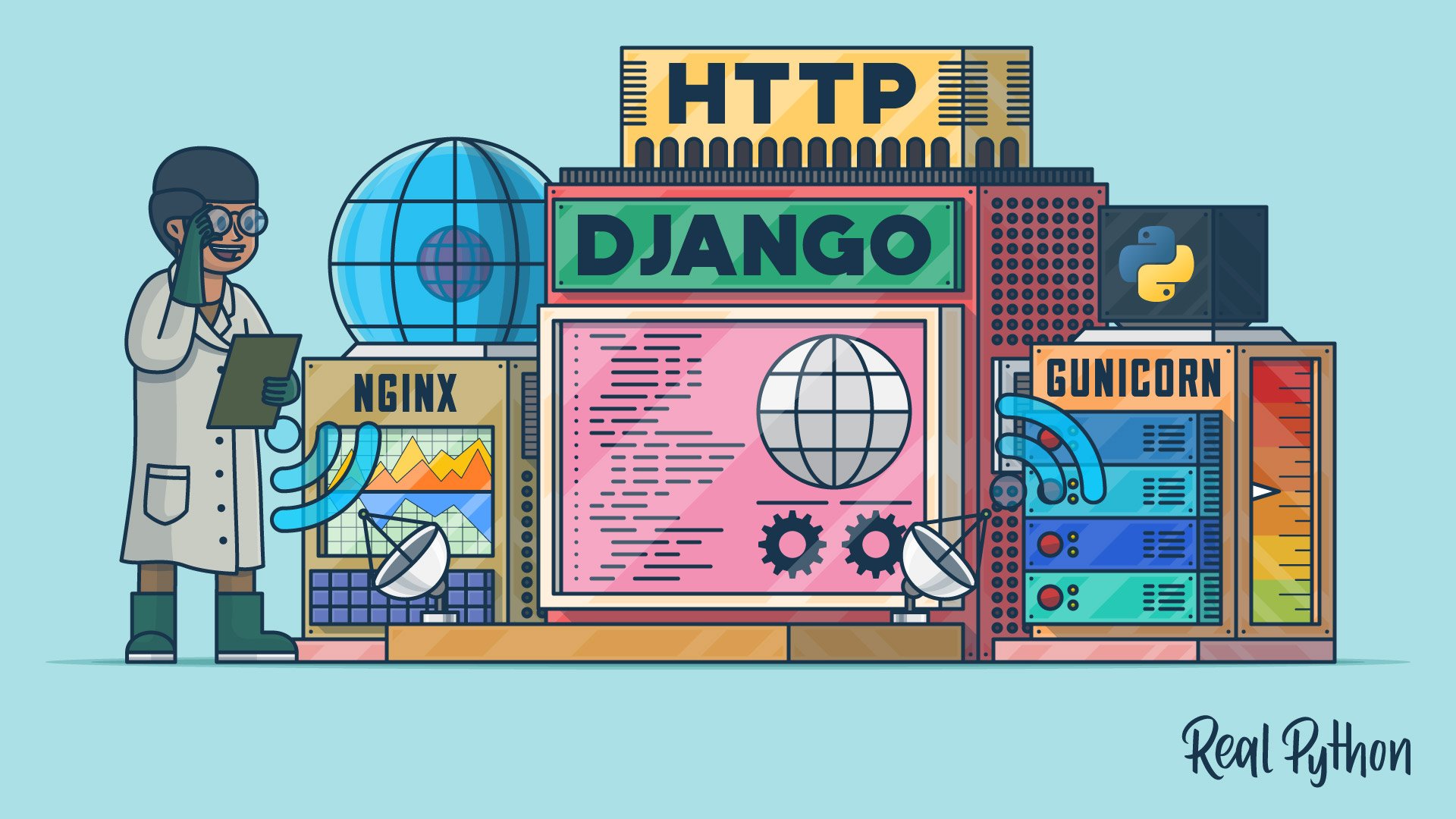
Securely Deploy a Django App With Gunicorn, Nginx, & HTTPS
Ready to take your Django app beyond development? Learn how to securely deploy your Django web app in production over HTTPS with Gunicorn and Nginx. Along the way, you'll explore how HTTP headers can fortify your app's security.
How Google’s Gemini 4 models can think longer for harder questions, background for this week’s Gemini 4 Neon:
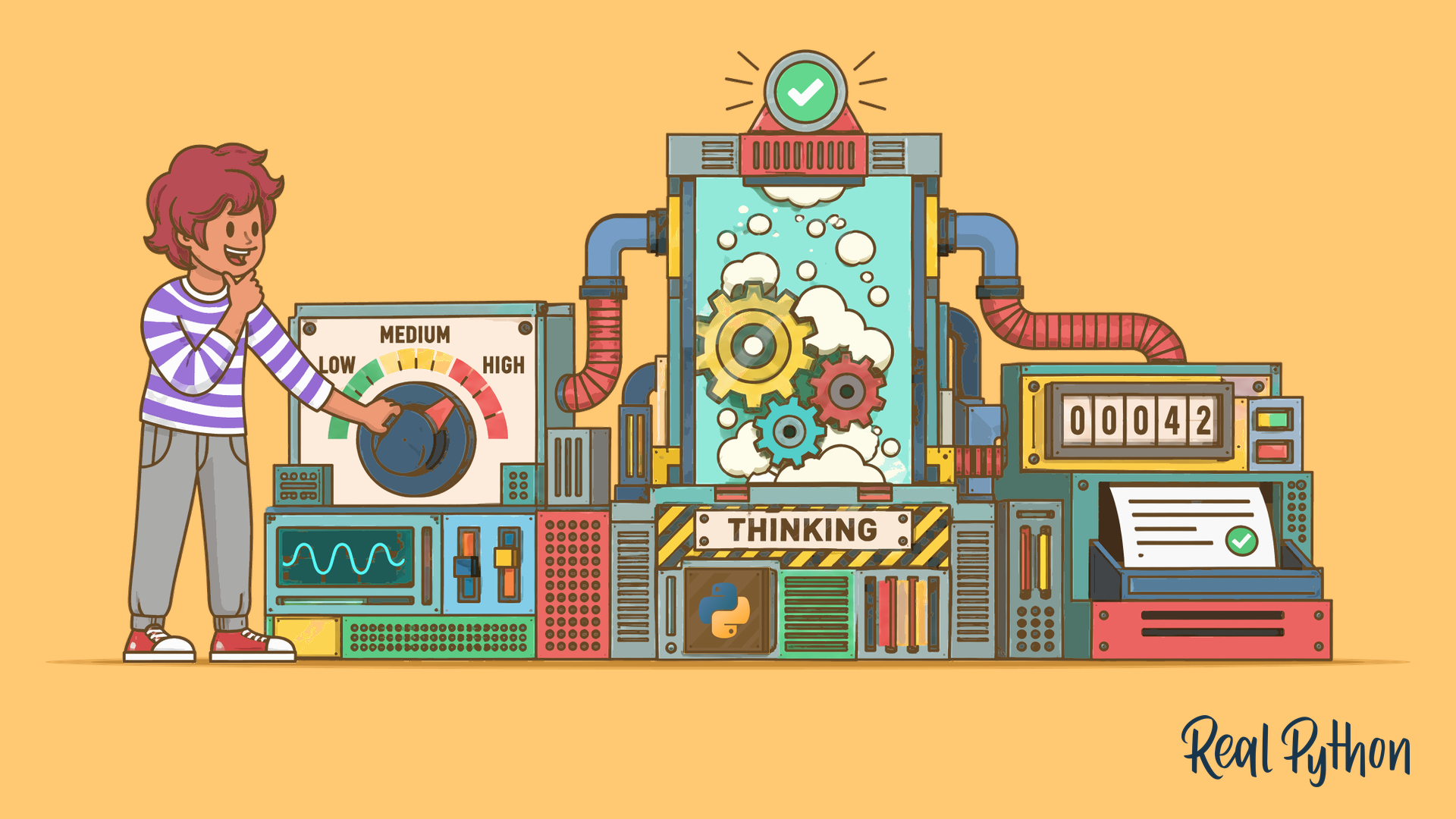
Tutorial
Gemini 4 Carbon Explained: Google's Model That Thinks Longer
Gemini 4 Carbon is Google's new reasoning model. Learn what it is, what it costs, and how to call it from Python with the google-genai SDK.
How an AI agent works step by step, the kind of program Microsoft’s compromised toolkit helps people build:

Tutorial
Build an AI Agent From Scratch in Python: The Agentic Loop
Learn how the agentic loop works by building a Python AI agent from scratch, with conversation context and tool calling in about 90 lines of code.
That’s it for this week.
If you want the most important AI news straight to your inbox, sign up below.
– The Real Python Team
Stop Falling Behind on AI. Catch Up in Five Minutes.
New models, new prices, new agent tools, all the time. Our new AI newsletter gives you the handful of stories you actually need as a developer. Free, straight from the Real Python team.