Real Python AI News · Weekly edition · The week of November 21–27, 2026
Stop Falling Behind on AI. Catch Up in Five Minutes.
New models, new prices, new agent tools, all the time. Our new AI newsletter gives you the handful of stories you actually need as a developer. Free, straight from the Real Python team.
Google and Anthropic both bet on the same shared standard for connecting AI assistants to other apps. Elsewhere, a security company catches AI providers leaking people’s prompts. Here’s the week in AI, explained in plain language.
Google Tells AI Agents to Use New Doors Into Gmail and Drive
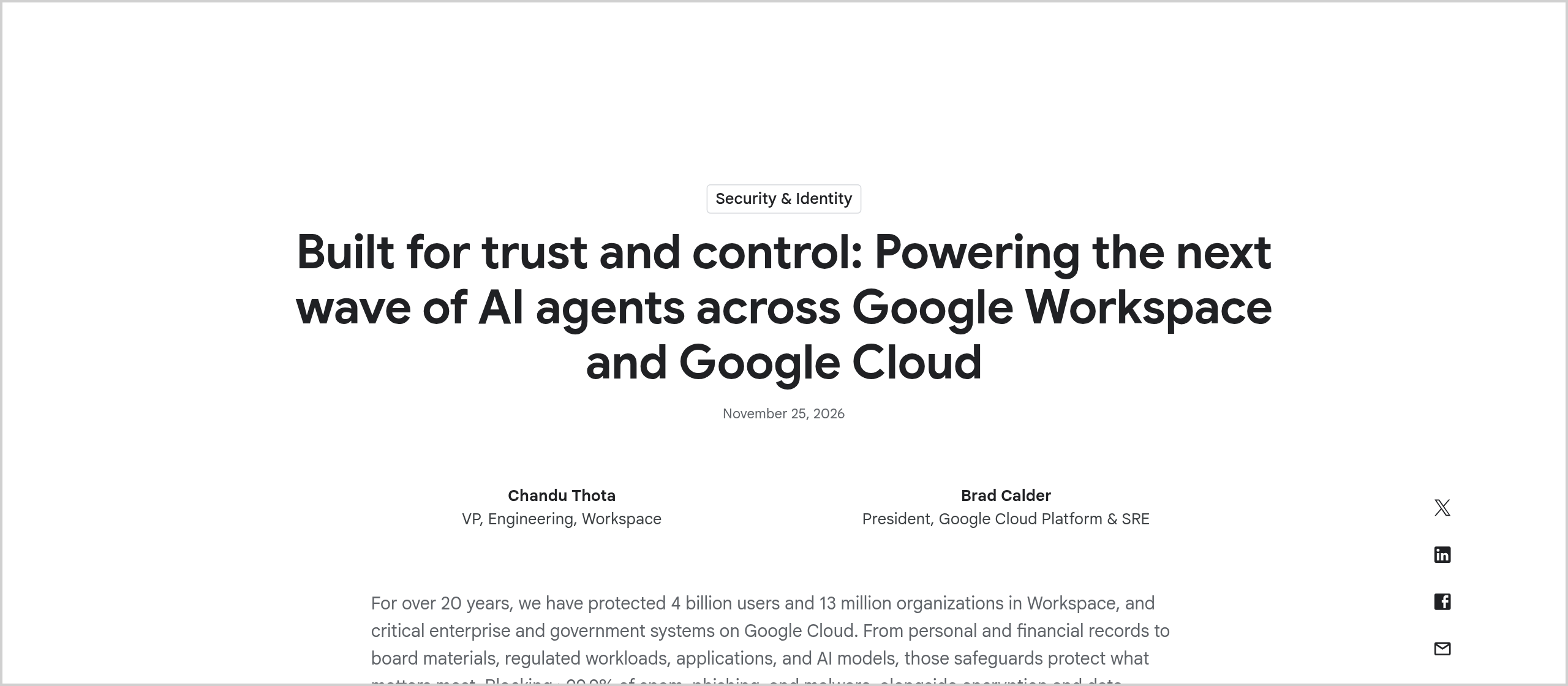
Google is setting a deadline for AI agents, assistants that do tasks for you instead of just answering questions. It covers any agent that works with Gmail, Docs, or the other office apps in Google Workspace.
Software usually connects to these apps through APIs, official doorways that let one program talk to another. A new agreement, the Workspace AI Tools Addendum, says agents must use Workspace MCP servers or the Workspace CLI instead. MCP (Model Context Protocol) is a shared standard for plugging AI agents into apps. A CLI, or command-line interface, is a tool you control by typing commands. Both are now ready for everyday use. Ordinary apps can stay on the old APIs. Google says enforcement starts on February 1, 2027.
Google says the new routes check each request against company rules. Agents also need a person’s go-ahead before sending email, sharing a Drive file, or editing in bulk. Use stays free on the Standard tier. Heavier users can pay for the Scaled tier, with billing from April 1, 2027.

“Google argues the old doorways assumed a person was behind every request, while agents act on their own at machine speed. Businesses whose AI tools touch Gmail, Drive, or Sheets now have two dates to plan around. Users will soon be able to see what agents do and cut them off, Google says.”
— Philipp Acsany, Real Python
Apps That Plug Into Claude Can Now Bring Their Own Step-by-Step Know-How
Anthropic, maker of the Claude AI assistant, now lets connected apps hand Claude instructions for whole jobs. These connections run on MCP, the shared standard that links AI assistants to outside services.
The main new feature is Skills over MCP. A skill is a set of instructions that walks Claude through a long job with many steps. Shopify’s skill, for example, helps Claude design and update an online store. The feature is in a public test version in Claude and in Claude Code, Anthropic’s coding assistant. It is on by default for Pro, Max, and Ultra. Team plans need an admin to turn it on, and Enterprise support comes soon.
Two more features leave testing. With Tasks, an app keeps a slow job going in the background while Claude moves on. With Elicitation, an app stops to ask you something, such as approving a cost, before it goes ahead. Both work on Pro, Max, and Ultra and are rolling out to Team and Enterprise. File uploads come later.
“Anthropic says programmers download the MCP building toolkits more than 700 million times a month. Alongside Google’s push for AI agents to use MCP in Workspace, the standard is becoming the usual way for AI assistants to reach other software. The ask-first step keeps a person in charge before an AI spends money.”
— Philipp
OpenRouter Cuts Off Three AI Providers After Prompts Are Stolen
Many apps send their requests through OpenRouter, a service that passes each one on to a company that runs AI models. Running an already-trained model is called inference, so these companies are inference providers. The message itself is the prompt.
OpenRouter has now cut off three of those providers, without naming them. It also removes the Zero Data Retention label, a promise that your prompts aren’t kept, from 125 of its model offerings. OpenRouter says it wasn’t broken into itself, and it has warned customers who may be affected.
The trigger is a study by Dragos, a security company. From July to November, Dragos sent about two million prompts hiding canary tokens: fake passwords and web addresses that nobody should ever use. If one gets used, someone read the prompt. Dragos says attackers stole data from at least three hosting providers. It also says an unnamed Chinese AI lab grabbed the secret addresses from more than half of the prompts sent to its models, including about two-thirds of those marked Zero Data Retention.
“A prompt can hold customer records or passwords, and a privacy promise only works if every company along the way keeps it. Dragos advises picking providers yourself and checking that privacy settings really work. OpenRouter says it will keep running Dragos-style tests and wants proof before any offering gets its label back.”
— Philipp
A Free AI Model That Thinks Harder by Reusing Its Own Parts
Most AI models get more capable by getting bigger. Inkling 2 Mini, from the AI research company Thinking Machines, tries something else. A model processes text through a stack of steps called layers. This one has 24 and runs the middle 12 three times for every word, so it gets more thinking out of the same parts. It’s one of the first released models built this way.
The model is open-weight, so anyone can download it and run it on their own computer, free under the Apache 2.0 license. Parameters are the internal settings a model learns during training, and this one has 26.4 billion. Only 3.4 billion switch on for each word, a design called mixture of experts that keeps it quick. Thinking Machines says it runs on any Mac with at least 32 GB of memory.
The company reports 48.2 percent on DeepSWE v1.1, a test of programming skill, and calls that the best score among open models under 100 billion parameters. That result is from its own tests.
“Running offline lets a business keep its code and data in-house. Looping could also help small models take on harder work on ordinary computers. A looped model can also reason without writing its steps down, so its thinking could be harder to check. Thinking Machines says it sees no meaningful loss of that oversight at this size.”
— Philipp
Anthropic Lets Teams Decide Whether AI Can Sign Off on Code
Anthropic is testing Claude Ship, tools that take over much of the checking before new code goes live. Programmers propose a change as a pull request, which teammates inspect before it joins the main project.
Code Review, already fully released, checks each pull request and flags problems. PR Steward fixes failing checks and responds to feedback, but it’s designed never to approve a change. Claude Approvals follows a policy file the team writes. If that policy allows it, the tool can approve routine changes without a person.
Claude Code, Anthropic’s coding tool, also gets a /ship command that sends the change, opens the pull request, and works through the review. Anthropic says its own Claude Code team more than doubled its merged pull requests from June to September, while the share it had to reverse fell by more than 40 percent.
PR Steward and Claude Approvals are in beta, an early test version, on Claude’s Team and Enterprise plans and only for code kept on GitHub, a popular code-hosting site.
“Approving code is usually the moment a person takes responsibility for what goes live. AI approves only when a team’s own written policy allows it, so that step stays each company’s choice. Anthropic suggests starting in a watch-only mode and warns that the tools can still miss bugs and security holes.”
— Philipp
Other AI News
- OpenAI’s API drops reasoning when history changes: To stop rivals from training on its models’ hidden reasoning, the Responses API now ties that reasoning to the conversation that produced it and drops it when you rewrite an earlier message. Agents that compact or edit history may see higher cost and latency.
- Tencent’s Hy4 flagship open-weight model: Hy4 has 770B total and 49B active parameters, a context window of about 1M tokens, and vLLM and SGLang recipes. It ships under the Tencent Hy License. Most developers will reach it through hosted providers or a quantized build like Red Hat’s NVFP4.
- LlamaIndex’s OCRia-nano-1 document parser for CPUs: LlamaIndex releases open weights for OCRia-nano-1, 8.1M parameters across seven models, inside its LiteParse library. LlamaIndex reports 426 ms per page on one CPU core and twice the throughput of LiteParse’s default Tesseract OCR. The weights use a modified Open RAIL-M license.
- Anthropic moves Claude’s API from Python to Rust: Anthropic says Claude wrote a first version of the Messages API’s core request path in Rust in about a week. The new service uses about 70% less CPU per request and cuts median time to first token by about 20%.
- Shirudo, OpenAI and Cisco’s open-source exploit shield: Shirudo is a BSD-licensed eBPF runtime that blocks exploit code paths on running Linux systems without a restart. In OpenAI’s example, Codex writes a shield for Java4Shell on a live Elasticsearch process. It’s pre-release, with kernel and TPM 2.0 requirements.
- PrismML’s Ternary Bonsai 2.5 27B coding model: The ternary model, built on Qwen3.8 27B, fits in 5.9 GB under Apache 2.0. PrismML reports 75.6 on SWE-bench Verified, versus 80.6 for full-precision Qwen3.8 27B.
- Krafton’s Raon-1 mini open MoE model: The game studio’s 30B mixture-of-experts model (4B active) is trained from scratch under Apache 2.0, with tool calling and an NVFP4 build for a single RTX 5090.
- Cognition’s SWE-2.1 coding model, free in Devin: Trained with pure reinforcement learning on Kimi K3, SWE-2.1 scores 50.0 on Terminal-Bench 4.1 by Cognition’s count, up from 24.2 for SWE-2. It’s free in Devin through Dec 8.
- Pydantic’s Pax coding agent and Harness beta: Pax is a terminal coding agent built on the Pydantic AI Harness SDK, where everything is a plugin. Harness is in beta, with 1.0 expected in about a month, so there’s still time to shape its API.
- A claimed Claude-assisted Riemann Hypothesis proof: Anthropic mathematician Levent Alpöge says that, working with Claude, he found a proof of the Riemann Hypothesis that extends to GRH, and he published a Lean formalization in 14 parts. It’s an unverified claim, and independent checking has only begun.
Dive in Deeper
Real Python helps you understand the concepts behind the news. You can explore these topics further with the resources below.
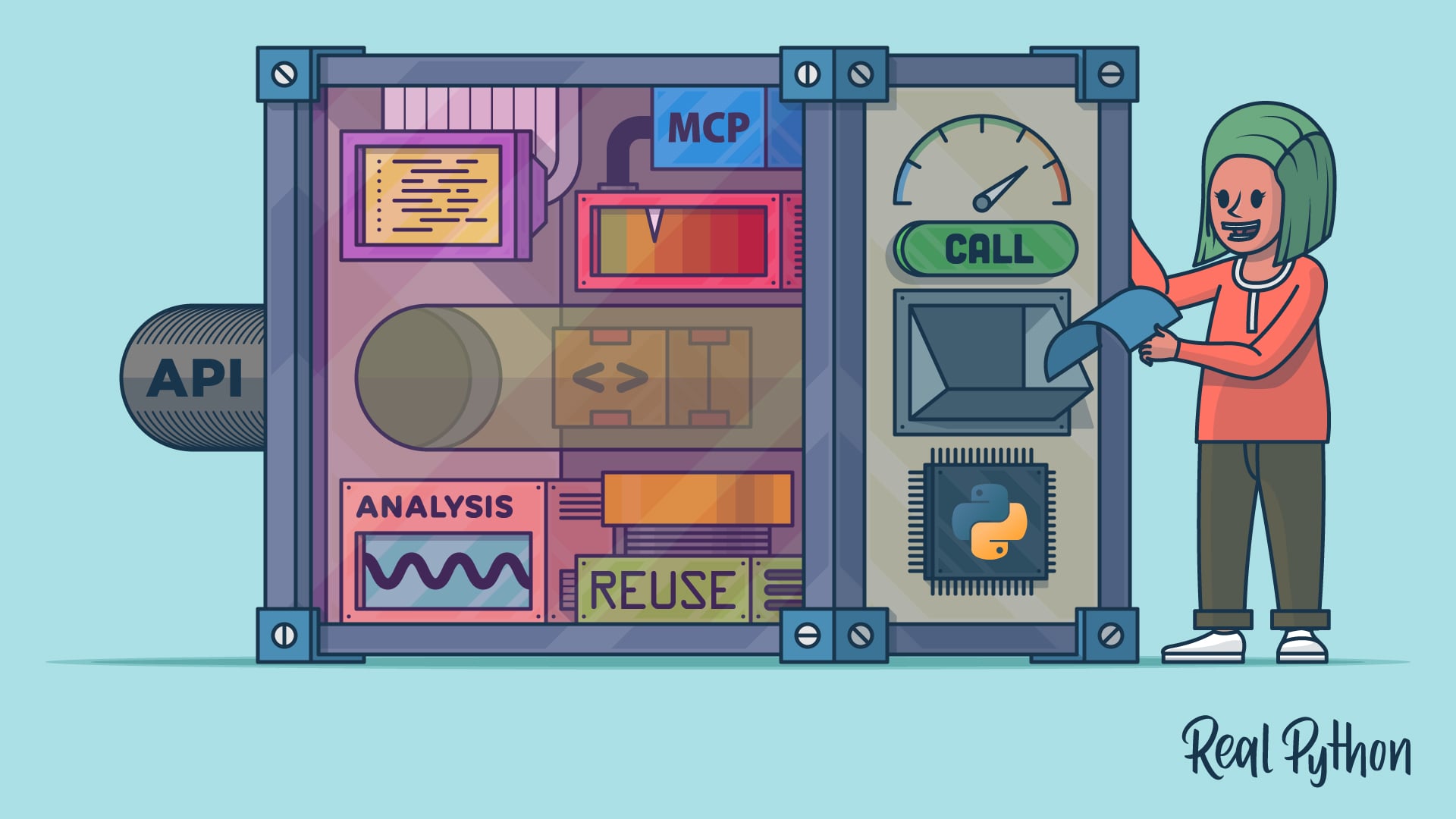
Explains when an AI app should use MCP instead of calling an API directly, the switch Google now asks of Workspace agents:
Tutorial
MCP vs API Calls: Which Should You Use for Python LLM Apps?
MCP vs API calls: build one Python tool, integrate it both ways, and compare. Learn what each approach costs and when an MCP server pays for itself.
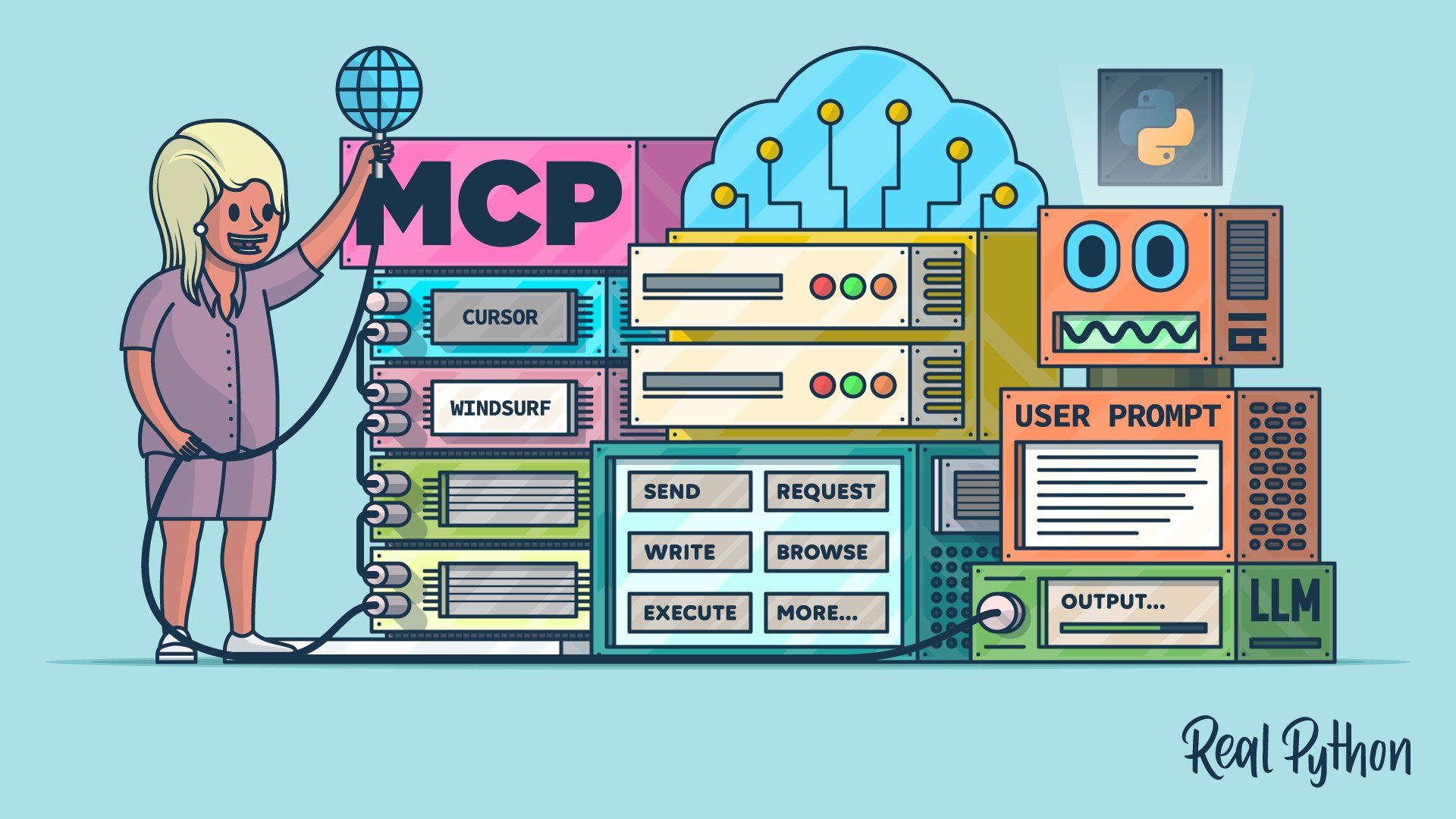
Shows how to build an MCP server, the kind of connector that can now hand Claude skills and long-running tasks:
Tutorial
Python MCP Server: Connect LLMs to Your Data
Learn how to build a Model Context Protocol (MCP) server in Python. Connect tools, prompts, and data to AI agents like Cursor for smarter assistants.
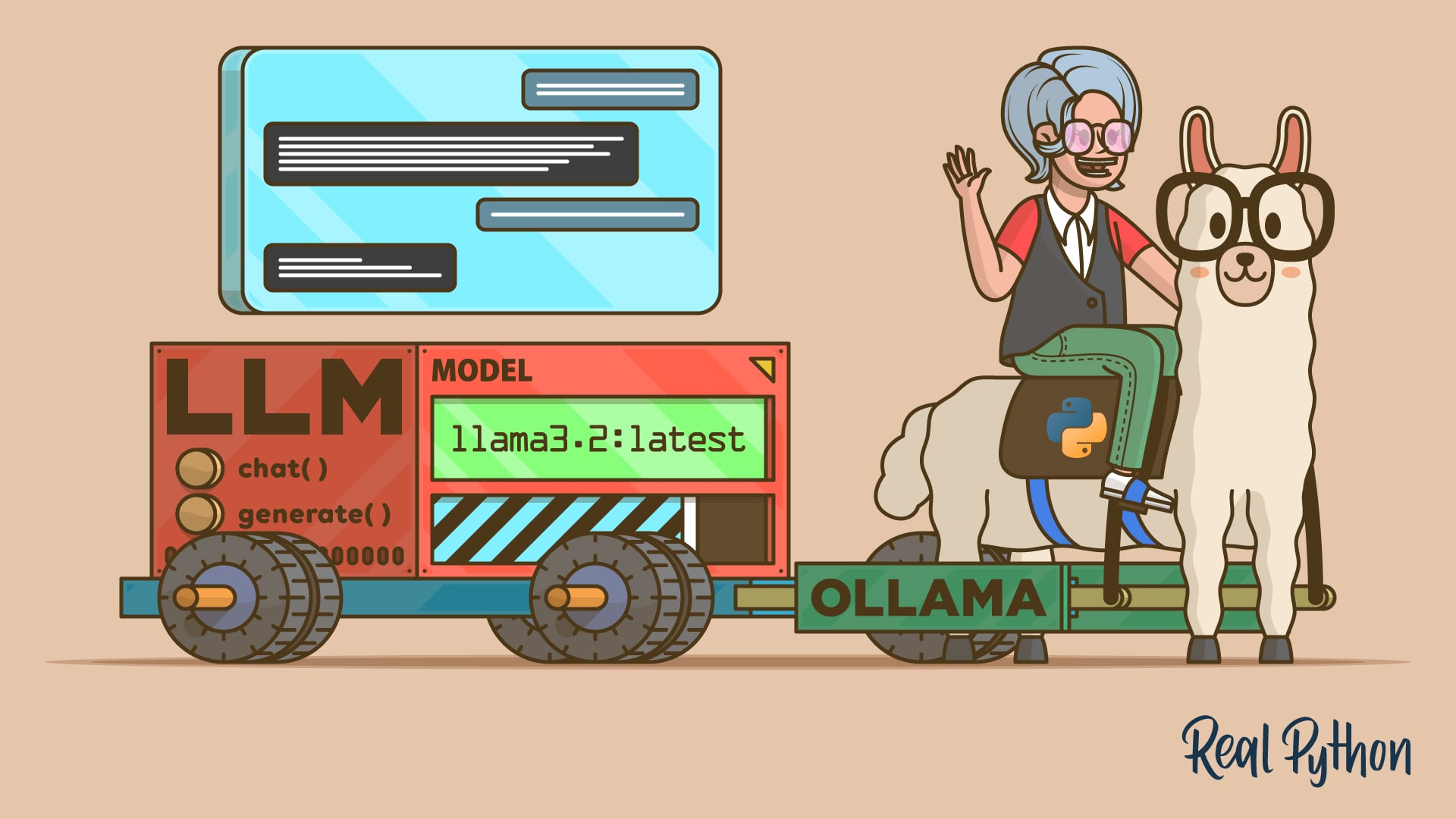
Walks through running a free AI model on your own computer, as you can with Inkling 2 Mini:
Tutorial
How to Integrate Local LLMs With Ollama and Python
Learn how to integrate your Python projects with local models (LLMs) using Ollama for enhanced privacy and cost efficiency.
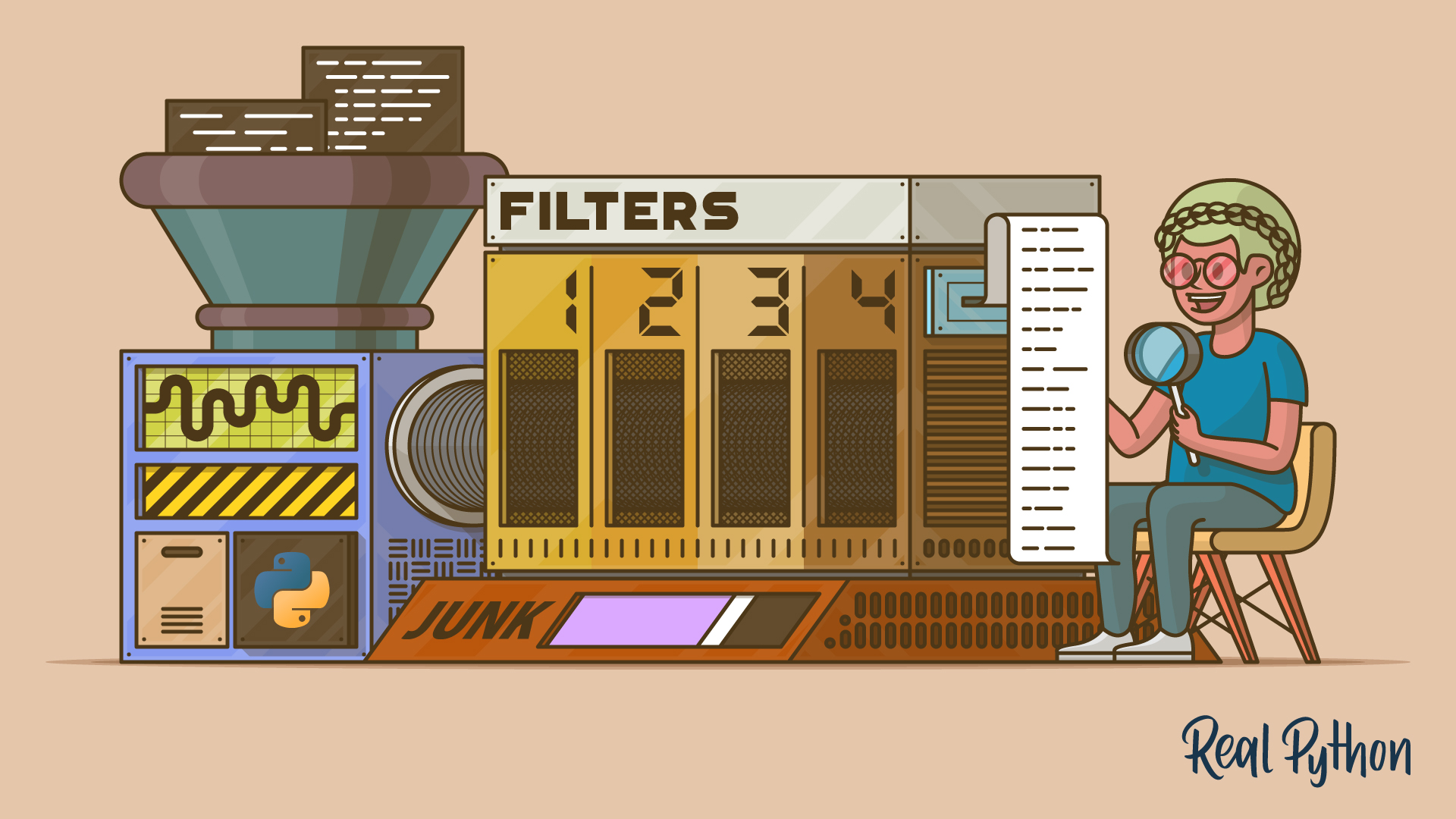
Covers how to check code an AI wrote, the job Claude Ship now takes on for pull requests:
Tutorial
How to Review AI-Generated Python Code Efficiently
Learn an efficient workflow to review AI-generated code in Python: run ruff, mypy, bandit, and pytest, then catch the bugs agents get wrong.
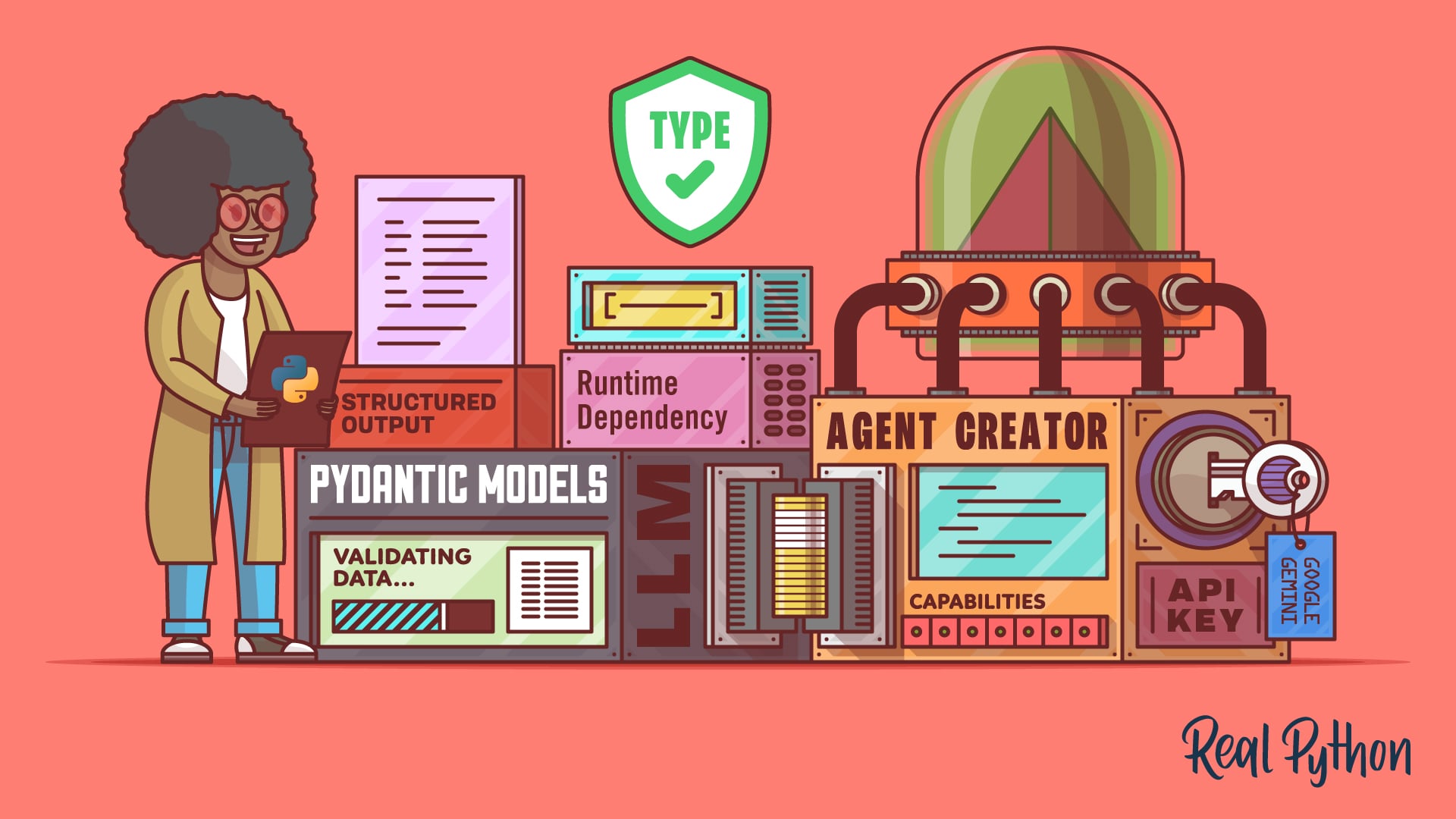
Introduces Pydantic AI, the toolkit behind Pydantic’s new Pax coding agent:
Tutorial
Pydantic AI: Build Type-Safe LLM Agents in Python
Learn how to use Pydantic AI to build type-safe LLM agents in Python with structured outputs, function calling, and dependency injection patterns.
That’s it for this week.
If you want the most important AI news straight to your inbox, sign up below.
– The Real Python Team
Stop Falling Behind on AI. Catch Up in Five Minutes.
New models, new prices, new agent tools, all the time. Our new AI newsletter gives you the handful of stories you actually need as a developer. Free, straight from the Real Python team.