Snyk AI
Snyk AI is an umbrella name for the artificial intelligence features in Snyk’s developer security platform, which scan code, dependencies, and AI agents for vulnerabilities as teams ship AI-generated software. Here’s how those three targets map to Snyk’s tools:
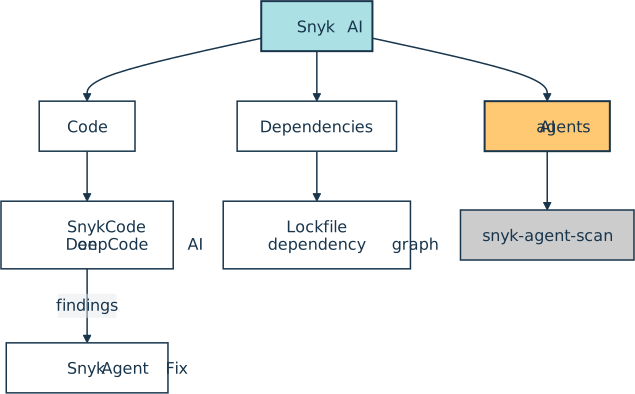
Snyk Code, the static analysis product in Snyk’s AI Security Platform, runs on the DeepCode AI engine, and Snyk Agent Fix turns its findings into suggested one-click remediations. Above those sits Evo, Snyk’s agentic security layer, whose AI Security Posture Management solution inventories the AI models and agents in a codebase and enforces governance policies against them.
For Python projects, the snyk command-line tool builds a dependency graph from requirements.txt, Pipfile.lock, or poetry.lock, and support for uv.lock is in early access. Snyk Code then flags issues in the Python source itself. Open-source tools cover parts of the same ground: pip-audit checks installed packages and requirements files against the Python Packaging Advisory Database, and bandit runs static security analysis over Python source.
Two features target agentic coding directly. Running snyk mcp -t stdio starts a Model Context Protocol server that exposes scans such as snyk_code_scan to assistants like Cursor, Claude Code, and Windsurf, so an agent can check the code it just generated.
The separate snyk-agent-scan tool, a Python package you run with uvx, inspects locally installed MCP servers, agent skills, and agent configurations for prompt injection, tool poisoning, and hardcoded secrets.
All of this runs against Snyk’s hosted service, so both the snyk CLI and snyk-agent-scan need a Snyk account and an API token. The free plan allows a capped number of tests per month, with higher limits on the paid Team and Enterprise plans.
Official website: snyk.io
Related Resources
Tutorial
AI Coding Agents Guide: A Map of the Four Workflow Types
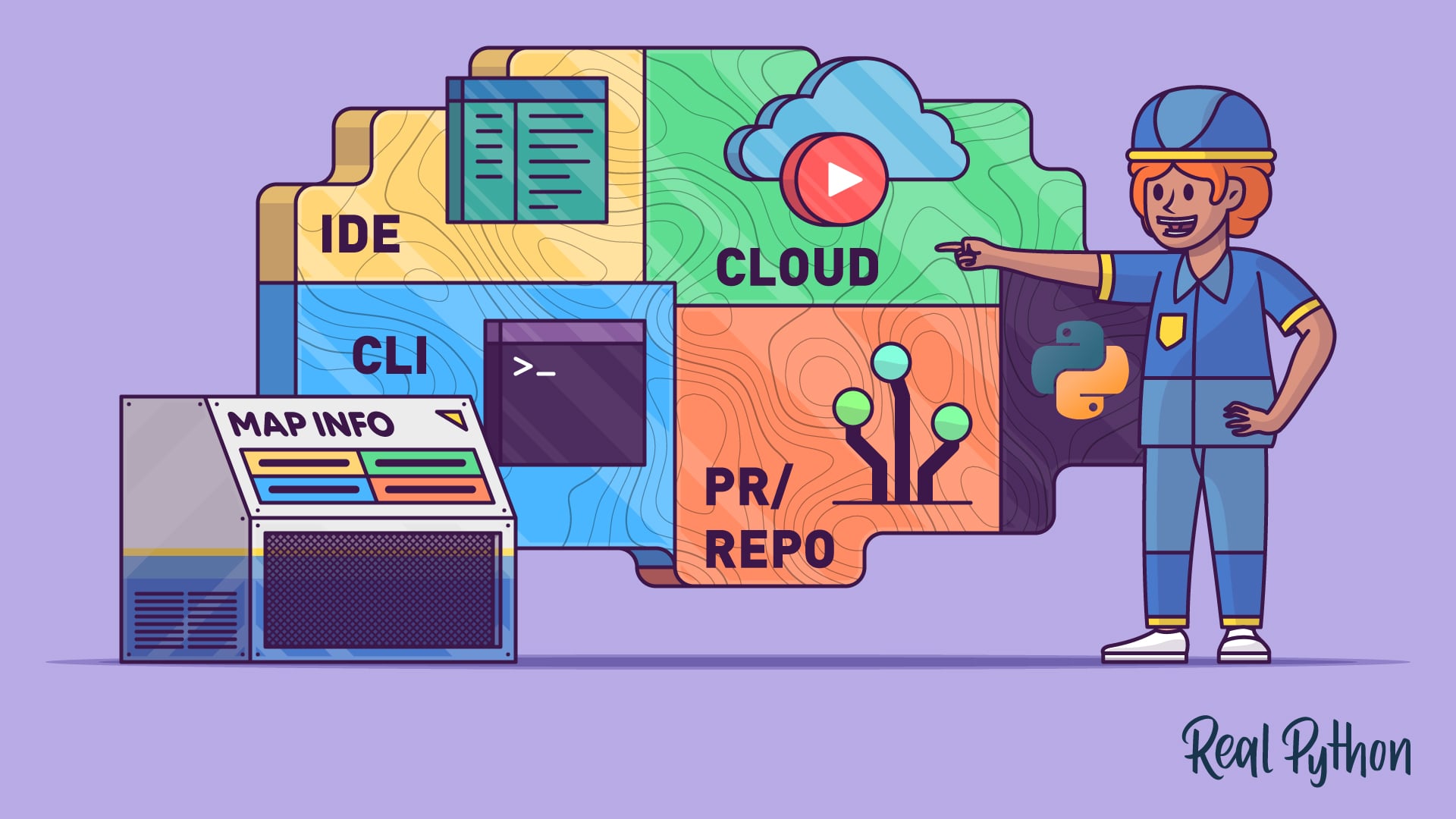
AI coding agents come in four types: IDE, terminal, PR, and cloud. Learn how each workflow fits into modern Python development.
For additional information on related topics, take a look at the following resources:
- Using Python's pip to Manage Your Projects' Dependencies (Tutorial)
- Dependency Management With Python Poetry (Tutorial)
- uv vs pip: Managing Python Packages and Dependencies (Tutorial)
- uv vs pip: Python Packaging and Dependency Management (Course)
- AI Coding Agents Guide: A Map of the Four Workflow Types (Quiz)
- A Beginner's Guide to pip (Course)
- Using Python's pip to Manage Your Projects' Dependencies (Quiz)
- Managing Dependencies With Python Poetry (Course)
- Dependency Management With Python Poetry (Quiz)
- uv vs pip: Managing Python Packages and Dependencies (Quiz)
Have a question about this? Mentor AI can show you examples, compare related terms, and point you to tutorials.
Ask Mentor AI

By Martin Breuss • Updated Oct. 3, 2026
