harness
A harness is the software around a language model that decides what the model sees, carries out the actions it asks for, and checks with a person when needed. On its own, a model only reads text and writes a reply. The harness supplies everything else. It assembles the context for each request, runs tool calls such as reading files or executing commands, feeds the results back, and enforces permissions.
A model and its harness together form an agent, and the harness drives the agent loop that repeats these steps until a task is done. Coding tools such as Claude Code and Cursor are harnesses. The same model can behave quite differently in two harnesses because each one controls the context, tools, and safeguards the model gets.
The word isn’t fully standardized. Some writers use it for a whole product, and in classic machine learning an evaluation harness is a test suite for measuring models.
Related Resources
Tutorial
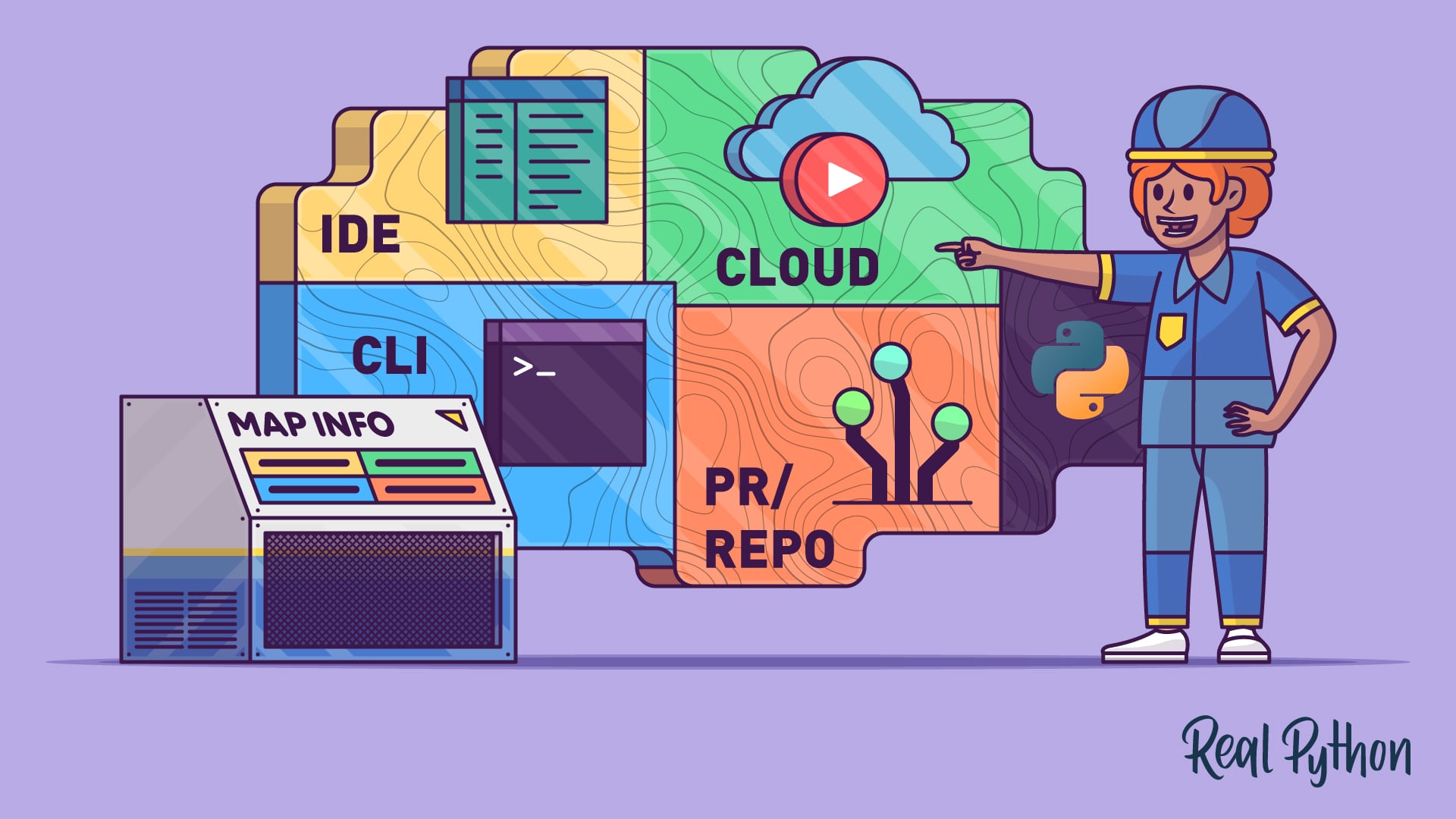
AI Coding Agents Guide: A Map of the Four Workflow Types
AI coding agents come in four types: IDE, terminal, PR, and cloud. Learn how each workflow fits into modern Python development.
For additional information on related topics, take a look at the following resources:
- How to Use Claude Code to Write and Debug Python (Tutorial)
- How to Add Features to a Python Project With Codex CLI (Tutorial)
- Getting Started With Claude Code (Course)
- AI Coding Agents Guide: A Map of the Four Workflow Types (Quiz)
- How to Use Claude Code to Write and Debug Python (Quiz)
- Use Codex CLI to Enhance Your Python Projects (Course)
- How to Add Features to a Python Project With Codex CLI (Quiz)
Have a question about this? Mentor AI can show you examples, compare related terms, and point you to tutorials.
Ask Mentor AI

By Sarah Jane Ross • Updated Oct. 11, 2026
